••
FDA Launches Five-Year Heavy Metals Reduction Plan as Enforcement Teams Seize Thousands of Unregistered Products
•3 min read•4 sources
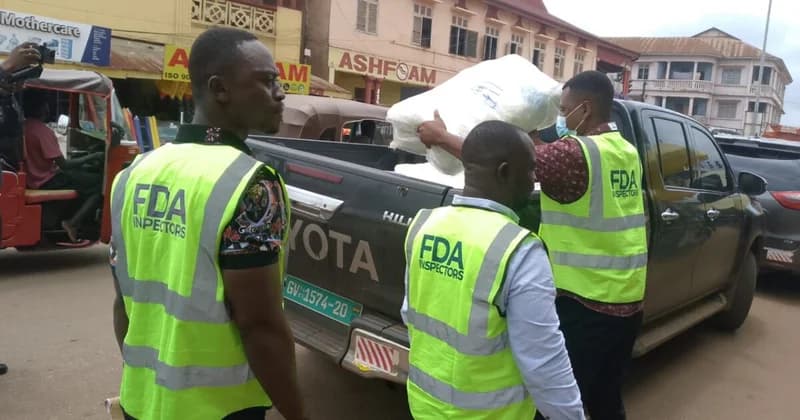
The Food and Drugs Authority (FDA) has intensified its national public health safety efforts, combining rigorous market enforcement with the launch of a comprehensive five-year strategy to combat environmental contaminants. In a significant recent operation, the FDA's Bono Regional Office seized over 57,000 pieces of unregistered baby diapers during a three-day surveillance exercise across major markets in Sunyani, Berekum, and Dormaa. This enforcement action coincides with the detection of lead and cadmium in various food products and cosmetics, prompting the government to unveil the National Strategic Plan for Heavy Metals Reduction in Food (2026–2030).
The Bono Region operation, led by Regulatory Officer Charles Opoku Gyamfi and supported by the Ghana Police Service, targeted the removal of uncertified, expired, and potentially harmful products from the consumer chain. Bono Regional Head, Madam Akua Amponsaa Owusu, warned that unregistered diapers pose significant health risks to infants, as they bypass the stringent quality assessments required for safety and hygiene. The FDA has served notice that retailers found stocking these unregistered items will face prosecution, emphasizing that the 10-member enforcement team will continue to conduct public sensitization alongside their regulatory duties to ensure traders comply with storage and registration standards.
On the national level, the FDA is addressing a growing crisis involving heavy metal contamination. Roderick Kwabena Daddy-Adjei, Deputy Chief Executive for the Food Division, revealed that recent testing has identified dangerous levels of lead and cadmium in common household items, including children's food and cosmetics. To combat this, the FDA has received a handheld X-ray Fluorescence (XRF) machine donated by UNICEF, which will allow for rapid field testing of food products and cooking utensils. Officials warned that prolonged exposure to these metals can lead to severe health outcomes, including cancer, liver damage, and developmental issues in children.
In response to these systemic threats, Deputy Minister for Health Prof. Dr. Grace Ayensu-Danquah has launched a strategic plan aimed at minimizing exposure to lead, cadmium, mercury, and arsenic through 2030. The initiative, developed in collaboration with UNICEF, focuses on the most vulnerable populations, specifically children and pregnant women. The plan outlines a multi-institutional framework to monitor the food chain from environmental source to final processing, aiming to integrate modern technology and stricter regulatory oversight into Ghana's food safety infrastructure.
As the FDA ramps up both field enforcement and policy implementation, officials are urging the public to remain vigilant. Consumers are advised to check for FDA registration numbers before purchasing any packaged goods or cosmetics and to report suspicious products to local authorities. The Authority maintains that while technology and strategy are vital, the cooperation of traders and the awareness of the general public remain the most effective tools in safeguarding the nation’s health and ensuring that only wholesome products reach the Ghanaian market.