••
FCC proposes ban on Chinese firms' access to US phone numbers
•2 min read•1 source
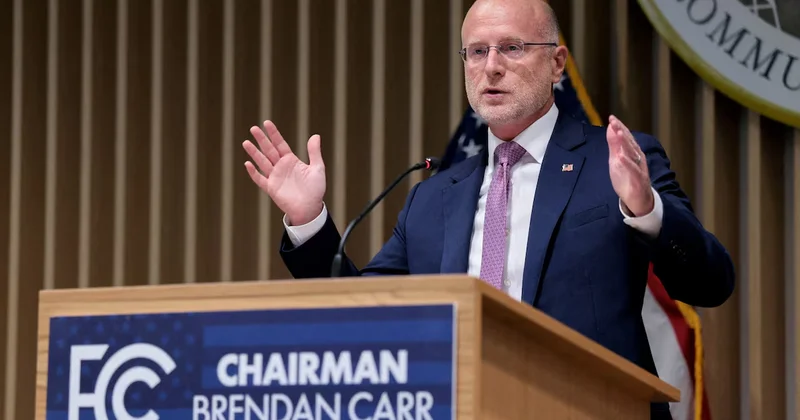
The United States Federal Communications Commission (FCC) has announced a proposal to prohibit Chinese telecommunications companies from having direct access to U.S. telephone numbers. The measure, which targets major firms including China Mobile and China Telecom, is designed to enhance national security and significantly reduce the volume of illegal, scam-related robocalls. FCC Chair Brendan Carr indicated that the initiative is part of a broader strategy to secure American communication infrastructure against foreign interference and potential cyber espionage.
Under the current proposal, the commission plans to vote on November 19 to establish stricter controls over how phone numbers are allocated and managed. By barring these firms from direct access to the numbering system, the FCC aims to close a loophole that has reportedly been exploited by illegal robocallers. Chair Carr emphasized that these companies pose a unique risk, as their operations could be leveraged by foreign adversaries to conduct large-scale spoofing or facilitate fraudulent activities against American consumers.
Beyond the immediate restriction on telephone numbers, the FCC is considering additional security measures to fortify domestic networks. These include revoking existing number authorizations for firms deemed to be security risks and potentially prohibiting Chinese laboratories from testing electronic equipment destined for the U.S. market. The move comes in the wake of heightened concerns regarding a Chinese state-sponsored cyber espionage group that has allegedly targeted American telecommunications providers to monitor sensitive communications.
The Chinese government has consistently denied allegations of state-sponsored cyber operations and has previously criticized U.S. restrictions on its telecom sector as discriminatory. However, U.S. officials maintain that the proposed ban is a necessary defensive step to protect the integrity of the nation's networks. The outcome of the November 19 vote will determine the timeline for implementing these restrictions and may set a precedent for further regulatory actions against foreign-owned telecommunications entities operating within the United States.
