••
FBI investigates suspected hack of National Crime Information Center
•2 min read•1 source
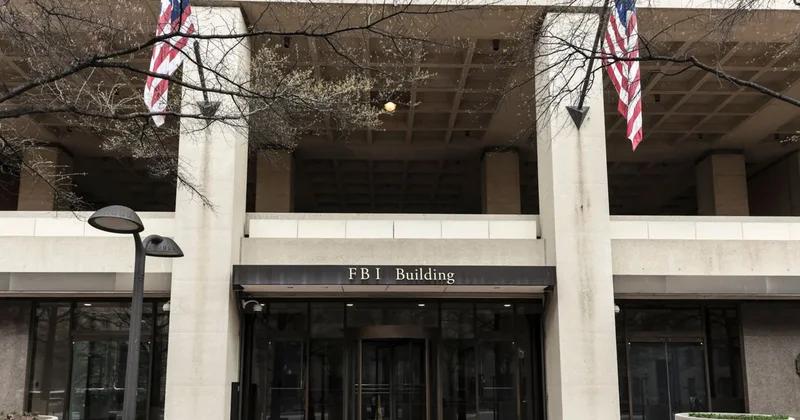
The FBI is currently investigating a suspected security breach of its National Crime Information Center (NCIC) database. This critical system serves as a central clearinghouse for law enforcement agencies across the United States, facilitating the sharing of vital data including active warrants and criminal background checks. The potential compromise of such a sensitive repository has raised immediate alarms regarding national security and the integrity of law enforcement operations nationwide.
The incident occurs during a period of heightened concern over cybersecurity vulnerabilities within the United States government. President Donald Trump has expressed concern regarding the breach during a recent interview, highlighting the severity of the situation. Former National Security Agency (NSA) analyst Dan Lohrmann underscored the gravity of the event, emphasizing that protecting such sensitive criminal justice data is of paramount importance for public safety and the rule of law.
This is not the first time the FBI has been targeted by cyber-criminal elements; the agency was previously hit by the hacking group ShinyHunters, an incident that raised significant worries regarding the personal safety of bureau employees. Furthermore, reports of the NCIC hack coincide with separate claims of a cyberattack targeting the U.S. Department of Agriculture’s farm payment system. While the Department of Agriculture has yet to issue a public statement, these concurrent events suggest a broader trend of aggressive digital incursions against state infrastructure.
The NCIC database is indispensable for day-to-day law enforcement activities, ranging from routine traffic stops to complex criminal investigations. Any disruption or unauthorized access to this data could lead to compromised investigations or the exposure of confidential law enforcement protocols. Investigators are now focused on determining the full extent of the breach and identifying the actors responsible, as officials work to fortify federal digital defenses against future intrusions.
