••
Fatima Zahra El Mansouri Appointed Morocco’s First Female Prime Minister
•2 min read•9 sources
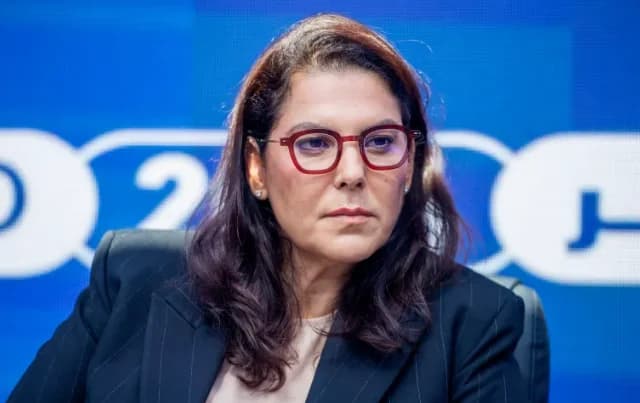
In a historic shift for North African governance, King Mohammed VI has appointed Fatima Zahra El Mansouri as Morocco’s first female prime minister. El Mansouri, 50, represents the centre-right Authenticity and Modernity Party (PAM), which emerged as the leading force in the most recent parliamentary elections by securing 97 out of 395 seats. This appointment marks El Mansouri as only the second woman in the Arab world to lead a government, following in the footsteps of Tunisia’s Najla Bouden. A lawyer by training with expertise in business and corporate law, the new prime minister previously served as the mayor of Marrakesh and held various ministerial roles in the outgoing administration.
While her appointment is celebrated as a milestone for gender inclusivity, El Mansouri faces immediate political hurdles. Because the PAM lacks an absolute majority in parliament, her primary task involves navigating complex negotiations to form a stable coalition government. This political maneuvering comes at a time of public skepticism, underscored by a notable decline in voter turnout to 38%. Upon her appointment, El Mansouri expressed pride in the historic nature of her role and pledged to address the high expectations of the populace, particularly the youth who are seeking tangible improvements in governance and economic opportunity.
Developing a robust economic strategy is a top priority for the new administration, which has campaigned on promises of job creation and sustainable growth. Morocco is currently grappling with significant economic pressures, including rising inflation and the need for fiscal stability. Furthermore, El Mansouri’s government will be responsible for overseeing massive infrastructure projects and preparations for the 2030 FIFA World Cup, which Morocco is set to co-host. Observers suggest that while she has historically avoided direct engagement with gender-specific activism, her rise to the premiership inherently challenges traditional patriarchal norms in the region.
Despite the domestic shift in leadership, analysts expect a high degree of continuity in Morocco’s foreign policy. Maintaining steady diplomatic relations remains crucial for the kingdom’s strategic interests. As El Mansouri takes the helm, her leadership will be closely watched across the continent as a bellwether for female representation in high-level governance. The success of her administration will likely depend on her ability to balance the demands of coalition partners with the urgent need for economic reforms and the delivery of the ambitious infrastructure goals set for the coming decade.
