••
FABAG proposes Rice Board to guarantee prices for domestic farmers
•2 min read•4 sources
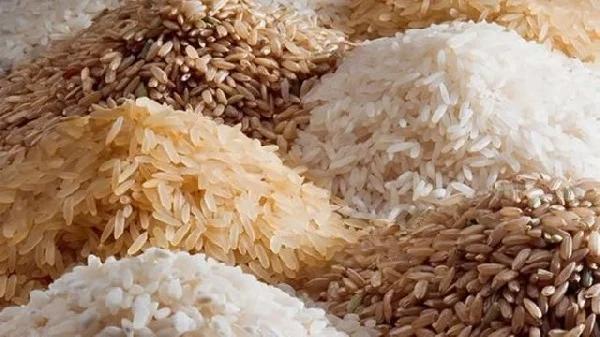
The Food and Beverage Association of Ghana (FABAG) has called on the government to establish a "Rice Board" to ensure price stability and a guaranteed market for local farmers. General Secretary Samuel Ato Aggrey proposed the creation of this body to help the country achieve its strategic goal of ending rice imports by 2031. The association argues that without a centralized purchasing authority, domestic production will continue to face significant market hurdles that undermine national food security efforts.
Currently, many Ghanaian rice farmers are struggling to sell their produce within the country, leading some to resort to buyers from neighboring Nigeria and Burkina Faso. Mr. Aggrey noted that farmers often withhold their harvests in hopes of negotiating better prices, which frequently leads to the deterioration of paddy rice quality during prolonged storage. This degradation complicates the milling process and reduces the competitiveness of local rice against imports. FABAG emphasizes that a dedicated board would provide the necessary price certainty to prevent such losses and keep Ghanaian-grown rice within the domestic supply chain.
The proposed Rice Board would operate on a model similar to Ghana’s cocoa sector, where the government guarantees the purchase of the crop at fixed seasonal prices. Under this system, the state would buy rice directly from farmers and store it in a national network of silos. Mr. Aggrey stressed that infrastructure improvements, particularly in storage and processing, are essential to maintaining grain quality and ensuring a steady supply to the market throughout the year. He urged the government to prioritize the construction of silos and storage facilities as a prerequisite for implementing significant cuts to rice imports.
While describing the government’s 2031 target to end rice imports as ambitious, FABAG maintains that the goal is only achievable through scaled-up production and robust infrastructure support. The association suggests that import reductions should be carefully calibrated to match actual growth in local production levels. By ensuring that every grain produced has a ready buyer and proper storage, the proposed Rice Board aims to make local rice production a more viable and attractive venture for Ghanaian farmers, ultimately reducing the nation's reliance on foreign grain.
myjoyonline.com
PrimarybusinessRice farmers turn to Nigerian, Burkinabe buyers as local sales stall, says FABAG’s Ato Aggrey
myjoyonline.com
businessBuy and store local rice before cutting imports – FABAG's Ato Aggrey urges government
myjoyonline.com
businessRice target at risk without production boost, guaranteed buyers – FABAG
myjoyonline.com
businessFABAG proposes ‘Rice Board’ to guarantee prices for farmers
