••
Eurovision Song Contest marks 70th anniversary milestone
•2 min read•1 source
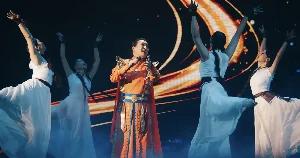
The Eurovision Song Contest is celebrating its 70th anniversary this Saturday, marking its status as the world’s longest-running international song competition. Since its debut, the contest has evolved into a massive global production, renowned for its flamboyant performances and a distinctive voting system that involves participating nations awarding points to one another. The milestone highlights the enduring legacy of an event that has consistently managed to capture the attention of millions of viewers worldwide.
Over the past seven decades, Eurovision has become a cultural cornerstone, providing a stage for diverse musical talent and national pride across Europe and beyond. The competition is widely recognized for its vibrant costumes, innovative staging, and occasional eccentricities that have come to define its unique identity. This milestone anniversary serves as a testament to the event's enduring appeal and its ability to adapt to changing media landscapes while maintaining its core mission of international musical exchange.
Looking ahead, the Eurovision brand is poised for significant international growth, with reports indicating concrete plans for expansion into the Asian market. This move aims to bring the contest’s iconic format to a new continent, potentially introducing a whole new roster of stars to the global stage. As the competition celebrates seventy years of musical history, its potential transition into Asia represents a strategic new chapter in its effort to unite global audiences through the power of song.