••
European Union suspends Namibian meat imports over cattle disease
•2 min read•1 source
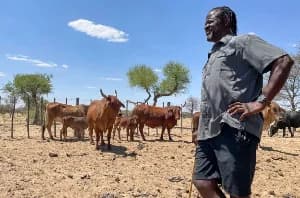
Namibia’s livestock sector is facing a significant challenge as an outbreak of cattle disease has triggered an immediate suspension of meat exports to the European Union (EU). This development has not only threatened the country’s international trade standing but has also led to the closure of critical domestic hubs, including the prominent Single Quarter meat market in the capital city of Windhoek. The halt in operations comes at a particularly difficult time for local stakeholders who depend on the beef industry for their primary livelihood.
The closure of the Single Quarter market has had a devastating effect on small-scale vendors and the traditional kapana meat trade. Local vendors, such as Francisco, have reported significant losses in income, noting that the market—usually a bustling center for street food and community gathering—has been largely deserted for several days. The timing of the suspension and subsequent market closures is especially painful as it coincides with the end of the month, a period when sales typically peak due to pay cycles and increased consumer activity.
Internationally, the EU’s decision to suspend several categories of Namibian meat imports represents a major blow to one of the continent's key beef exporters. Namibia has historically enjoyed a reputation for high-quality beef, which is a staple export to European markets. The current outbreak has forced authorities to implement movement controls and bio-security measures to prevent further spread and to eventually reassure international partners of the safety of Namibian agricultural products.
While the government works to contain the disease and meet international health standards for a resumption of trade, the immediate focus remains on the survival of local businesses and vendors. The suspension of imports and the closure of local markets highlight the vulnerability of Namibia’s economy to agricultural disruptions. Authorities are expected to provide further updates on the duration of the restrictions as veterinary teams continue their assessments and containment efforts across the affected regions.
