••
EU Suspends Namibian Beef Imports Following First Foot-and-Mouth Disease Outbreak in 60 Years
•2 min read•1 source
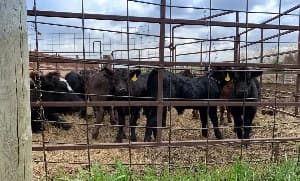
The European Union, which serves as the largest international market for Namibian beef, has officially suspended all imports of the product following a confirmed outbreak of foot-and-mouth disease (FMD). This significant trade disruption comes after the disease was detected in Namibia's primary livestock zone, marking the first time in sixty years that this specific region has been affected by the virus. The suspension represents a major challenge for the nation's agricultural sector, which relies heavily on access to European markets. In response to the detection of the virus last month, Namibian authorities have taken swift and decisive action to contain the spread. A nationwide ban on the movement of livestock has been implemented, effectively freezing the domestic trade of cattle and other susceptible animals. This domestic containment strategy is paired with a total halt on meat exports as the country works to secure its borders and prevent the further transmission of the disease within its primary agricultural zones. The situation remains critical as Namibia navigates the dual pressure of managing a biosecurity crisis and mitigating the economic impact of the EU’s trade suspension. Moving forward, the focus will likely remain on the effectiveness of the movement ban and the ability of veterinary officials to clear the affected areas. Restoring international trade confidence will be the priority for the Namibian government as it seeks to lift the EU suspension and resume its role as a key beef exporter to the European continent.