••
European Union to Propose Landmark 'EU Kids Act' Restricting Social Media and AI Access for Minors
•3 min read•2 sources
The European Union is preparing to introduce the 'EU Kids Act,' a sweeping legislative proposal designed to restrict children under the age of 15 from accessing social media, AI chatbots, video-sharing platforms, and online games. This initiative, which is expected to be officially presented by European Commission President Ursula von der Leyen, represents a significant escalation in global efforts to safeguard minors' health and safety in the digital age. By targeting major platforms such as Facebook, TikTok, and YouTube, the EU aims to create a tiered access system that prioritizes child protection while maintaining a pathway for digital literacy.
Under the proposed framework, digital access will be strictly regulated based on age brackets. Individuals aged 15 and older will be permitted to create their own accounts independently. However, those between the ages of 13 and 14 will require parental consent to open restricted accounts, while children aged 12 and under will be limited to accounts under full parental oversight. To ensure compliance, the EU will mandate that technology companies implement robust age verification systems for all new accounts. Furthermore, platforms will be legally required to eliminate 'addictive designs' and harmful content algorithms that specifically target younger users, placing the burden of safety on the service providers.
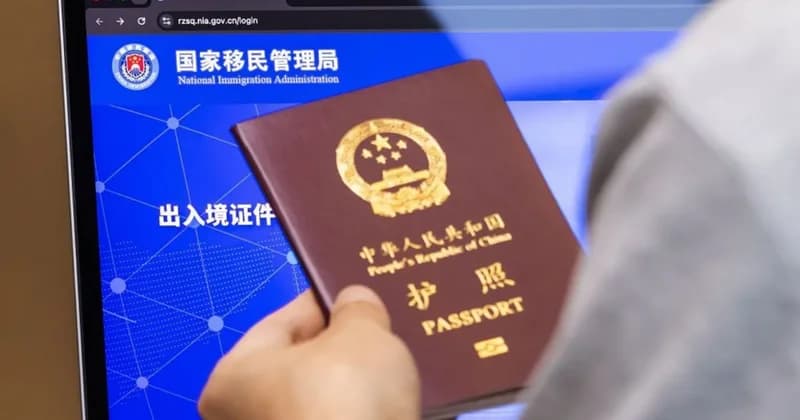
This legislative push comes amid a broader international trend of governments exerting greater control over both digital and physical mobility for the sake of national security and public welfare. While the EU focuses on digital safety, recent reports from China highlight intensified physical travel restrictions. Chinese authorities have reportedly expanded their use of exit bans, allowing the state to prevent individuals deemed a threat to national security from leaving the country for up to three years. Critics argue that such measures, which often involve denying passports without providing the legally required written explanations, reflect a growing global tension between state-mandated security and individual freedoms of expression and movement.
The EU Kids Act will now enter a phase of intense negotiation as the draft is debated by EU member states and the European Parliament before becoming law. Tech giants are expected to face significant operational challenges in meeting the new age-verification and safety-by-design standards. As the digital landscape continues to evolve, these regulations could set a global precedent for how governments balance the benefits of technology with the imperative to protect vulnerable populations. For now, the proposal signals a turning point in the governance of the internet, transitioning from industry self-regulation to stringent state oversight.