••
Ethiopia regional forces clash in Borana Zone over territorial dispute
•2 min read•1 source
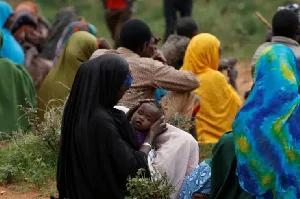
Violent confrontations between police units and armed groups affiliated with Ethiopia’s Oromia and Somali regional administrations have paralyzed daily life and cross-border trade within the Borana Zone. The unrest, which intensified around the border town of Moyale in October, has now spread to several neighboring communities. This surge in fighting is the latest manifestation of a deep-seated territorial dispute that has historically pitted the two regions against one another, leaving thousands of civilians in a precarious state of displacement and fear. The conflict has had a devastating impact on the local economy, particularly in the Borana Zone, which serves as a vital commercial gateway for trade between Ethiopia and Kenya. The insecurity has effectively blocked transportation routes, preventing the movement of livestock and consumer goods that are central to the region's prosperity. Reports from the ground indicate that many shops remain shuttered and markets have been abandoned as residents prioritize their physical safety over their livelihoods. Local populations are currently trapped in a cycle of uncertainty, unable to plan for the future or engage in seasonal farming. Beyond the immediate economic disruption, the clashes highlight the persistent challenges of internal boundary delimitation within Ethiopia's federal system. Despite previous attempts at mediation, the inability to reach a lasting agreement over administrative jurisdictions continues to fuel periodic outbreaks of violence. As regional forces remain mobilized, observers are calling for more robust intervention from the federal government to stabilize the area and provide humanitarian assistance to those displaced. The outcome of this dispute will be critical for regional stability and the continued functionality of one of East Africa's most important trade corridors.