••
Ethiopia and Eritrea trade accusations of initiating war of aggression
•2 min read•3 sources
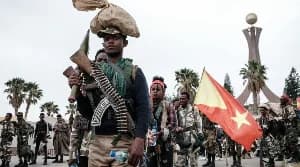
Ethiopia and Eritrea have officially traded accusations of initiating a war of aggression as conflict intensifies in the Tigray region. While the Ethiopian federal government claims that Eritrean forces are actively supporting rebels within its borders, the Eritrean government maintains it is defending itself against unprovoked attacks. This escalation comes amidst reports of thousands of soldiers involved and heavy aerial bombardments, marking a sharp deterioration in regional stability.
On the ground, the Ethiopian army has reported significant victories against the Tigray People’s Liberation Front (TPLF) in recent days. Recent operations have seen federal forces regain control of key urban centers, including the regional capital, Mekelle, as rebel forces are pushed back. However, the reported presence of Eritrean troops complicates the internal conflict. Estimates suggest between 5,000 and 8,000 Eritrean soldiers are currently stationed within the Tigray region, where they have reportedly been targeted by Ethiopian drone strikes.
The exchange of accusations reflects a total breakdown in diplomatic relations between the two neighbors. Historical tensions, rooted in decades of border disputes and past military engagements, have been reignited by the current crisis. Both nations appear to be bracing for further escalations, and the formal severing of ties has heightened international fears that the internal Ethiopian conflict is morphing into a broader, more dangerous regional war.
Despite growing international pressure for a ceasefire, the prospects for peace remain dim as fighting continues to escalate in northern Ethiopia. Analysts suggest that the primary obstacle to successful negotiations is a persistent belief among the warring factions that a decisive military victory is still within reach. As the military campaigns continue, the humanitarian situation is expected to worsen while the commitment to a diplomatic resolution remains secondary to ongoing territorial objectives.