••
Ethiopia clashes force 50,000 people to flee into Kenya
•2 min read•1 source
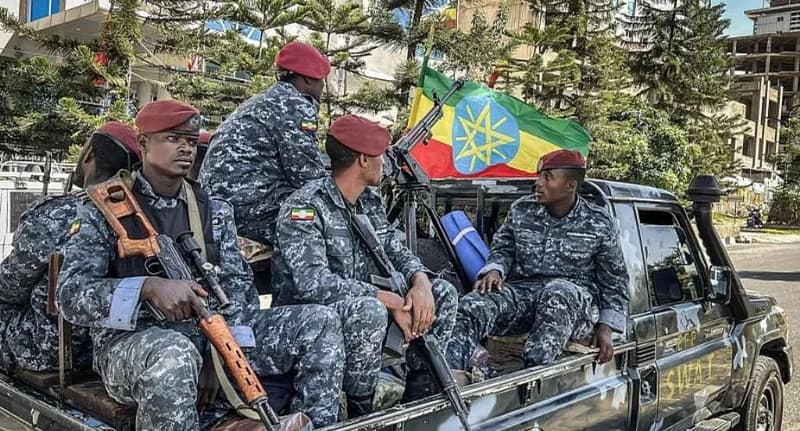
Approximately 50,000 people have been forced to flee from southern Ethiopia into Kenya following a surge in communal violence along the border. The displacement, which began late last month, has seen a rapid influx of refugees into the Kenyan town of Moyale as security conditions in Ethiopia’s border regions deteriorate. The United Nations High Commissioner for Refugees (UNHCR) has noted that the majority of those seeking safety are women and children, highlighting the humanitarian urgency of the situation. The unrest was reportedly triggered on October 20 by a dispute over a flag-raising incident in the Moyale area, a flashpoint for tensions between the Somali and Oromia regions. These regional clashes have escalated quickly, leading to the sharp rise in displacement figures. Just one day prior to the latest count, the UNHCR had estimated the number of refugees at 36,000, indicating that thousands more are crossing the border every 24 hours to escape the violence. Humanitarian organizations are currently mobilizing to provide essential aid, including temporary shelter, food, and medical supplies, for the growing refugee population. The UNHCR acknowledged that the situation remains fluid and complicated, as many of the displaced individuals are currently scattered across temporary locations in Kenya. Local authorities in Kenya are working alongside international agencies to manage the sudden pressure on resources in the border town. This localized conflict occurs against a backdrop of broader instability within Ethiopia. While the border clashes involve regional militias, the central government is also dealing with persistent domestic conflicts in other parts of the country and strained diplomatic relations with neighboring Eritrea. The current situation in Moyale underscores the fragility of regional peace and the significant humanitarian challenges facing both Ethiopia and Kenya as they manage the displacement of thousands of vulnerable civilians.

