••
Researcher Essel-Biney Launches Ndua Analytics AI Tool to Help Farmers Identify Crop Threats
•2 min read•2 sources
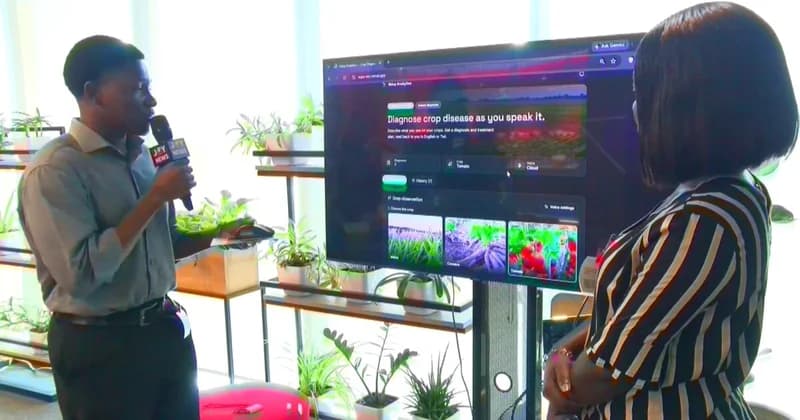
Ghanaian researcher Nana Benyin Eboe Nyamekye Essel-Biney has introduced Ndua Analytics, a specialized artificial intelligence platform designed to revolutionize how local farmers identify and manage crop threats. This innovative tool allows farmers to report plant distress—such as the appearance of yellow spots on tomato leaves—through direct field observations. By analyzing these descriptions, the AI provides an immediate diagnosis and actionable treatment recommendations, offering a vital lifeline to the agricultural sector by enabling timely interventions.
One of the platform's most significant features is its focus on accessibility and user-friendly interaction. Unlike many existing agritech solutions that require high-resolution image uploads or advanced technical knowledge, Ndua Analytics operates primarily on descriptive observations of symptoms. To bridge the digital and educational divide, the system incorporates support for local Ghanaian languages, ensuring that farmers in rural communities can receive diagnoses and treatment advice in a dialect they understand clearly, bypassing traditional technical barriers.
The project is currently being piloted with three of Ghana's most essential food crops: maize, cassava, and tomatoes. These staples are critical for national food security, and the ability to detect pests and diseases early can significantly increase seasonal yields. Following the successful pilot phase, Essel-Biney intends to expand the platform's database to cover a wider variety of crops and additional local languages, aiming to create a comprehensive digital assistant for the entire Ghanaian farming community.
The timing of this technological intervention is particularly crucial as shifting weather patterns increasingly complicate pest behavior and crop health. Professor Benjamin Lamptey, a meteorologist, has highlighted the importance of such tools in building agricultural resilience in the face of climate uncertainty. He emphasized that continuous collaboration between researchers and farmers is essential to leverage AI effectively, ensuring that technology translates into tangible security for the nation's food supply and the livelihoods of those who provide it.

