••
Esi Sutherland-Addy urges Ghana to deepen diaspora engagement
•2 min read•1 source
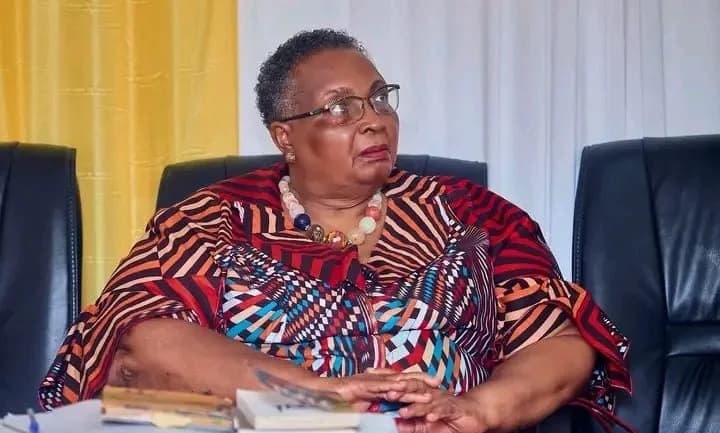
Professor Esi Sutherland-Addy, a prominent academic at the Institute of African Studies, University of Ghana, has called on the nation to foster more active and inclusive social connections with the African diaspora. Speaking at the third annual conference of the Literature Association of Ghana (LITAG), she argued that building a meaningful Pan-African identity requires a commitment that extends far beyond official state-led initiatives. The conference, which took place at the University of Ghana from October 7 to 9, 2026, centered on the pivotal role literature plays in shaping both national and continental identities.
Prof. Sutherland-Addy emphasized that while government programs are important, they are insufficient on their own to create lasting bonds with the global African community. She advocated for broader social efforts that allow for a more organic and deep-rooted integration of diaspora voices into Ghanaian society. By prioritizing these social links, she suggested that Ghana could better position itself as a hub for Pan-African cultural and intellectual exchange, leveraging literature as a tool to bridge the gap between various African populations worldwide.
The discussions at the LITAG conference highlighted literature as a vital medium for navigating the complexities of identity in a globalized world. Participants explored how stories and academic discourse can unify Africans across the continent and in the diaspora, moving beyond administrative frameworks to create a shared cultural consciousness. This focus on inclusive engagement is seen as essential for developing a robust Pan-African identity that resonates with younger generations and those living abroad.
As the event concluded, Prof. Sutherland-Addy’s message served as a call to action for academic and social institutions to take the lead in diaspora relations. By deepening these engagements, Ghana aims to solidify its influence within the Pan-African movement, ensuring that the preservation of African narratives remains a collective effort. The conference successfully established a platform for ongoing dialogue on how literary arts can continue to drive social and political unity across the African world.
