••
Eric Osei Bonsu finds toxic metals in vegetables across mining areas
•2 min read•2 sources
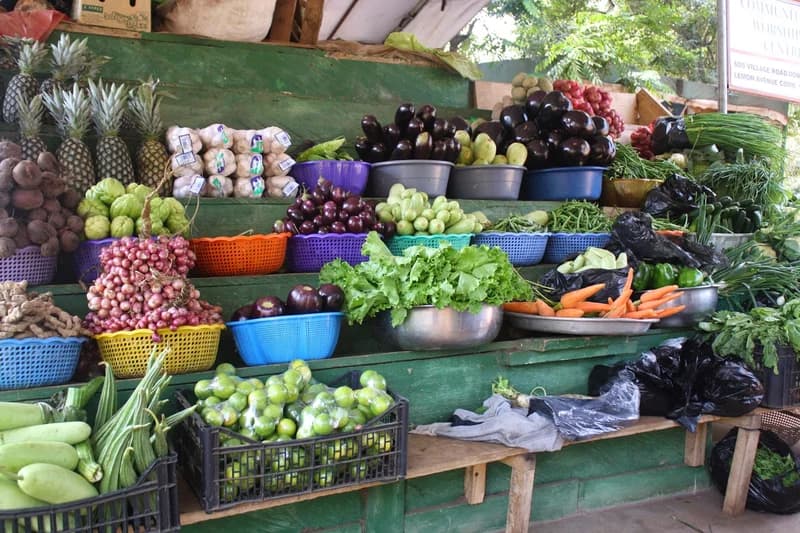
A comprehensive review of 45 scientific studies led by researcher Eric Osei Bonsu has uncovered severe heavy metal contamination in vegetables grown across Ghana's mining districts. The research identifies illegal mining, popularly known as galamsey, as the primary source of toxic substances including lead, cadmium, arsenic, and mercury. These contaminants were found in high concentrations in essential food crops such as tomatoes, peppers, garden eggs, and onions, particularly within the Ashanti and Western Regions. The study emphasizes that the levels of these toxic metals frequently exceed the safety limits established by the World Health Organization (WHO) and the Food and Agriculture Organization (FAO). Specifically, cadmium was found to have the highest transfer rates from soil to plants, with some testing sites recording levels up to 400 times the permissible WHO limit. Such high concentrations pose grave health risks to consumers, as long-term exposure to these metals can lead to chronic illnesses and organ damage. By synthesizing data from nearly four dozen separate studies, Bonsu and his collaborators highlighted a widespread environmental crisis affecting the country's agricultural heartlands. While the Ashanti and Western Regions showed the most significant contamination, the findings suggest a broader threat to food safety across multiple mining-affected districts. The research also identified critical gaps in the existing literature, specifically regarding the chemical forms of chromium and arsenic, which require further investigation to fully understand their toxicity profiles in the Ghanaian context. In response to these findings, the research team is calling for the immediate implementation of targeted monitoring programs in mining-affected areas. Mr. Bonsu stressed that discussions surrounding the impact of galamsey must explicitly include food safety alongside water and forest degradation. Recommended interventions include the establishment of agricultural buffer zones near mining sites and the improvement of post-harvest practices to protect the general population from the daily consumption of contaminated produce.