••
Eric Osei Bonsu study finds toxic metals in Ghanaian vegetables
•2 min read•2 sources
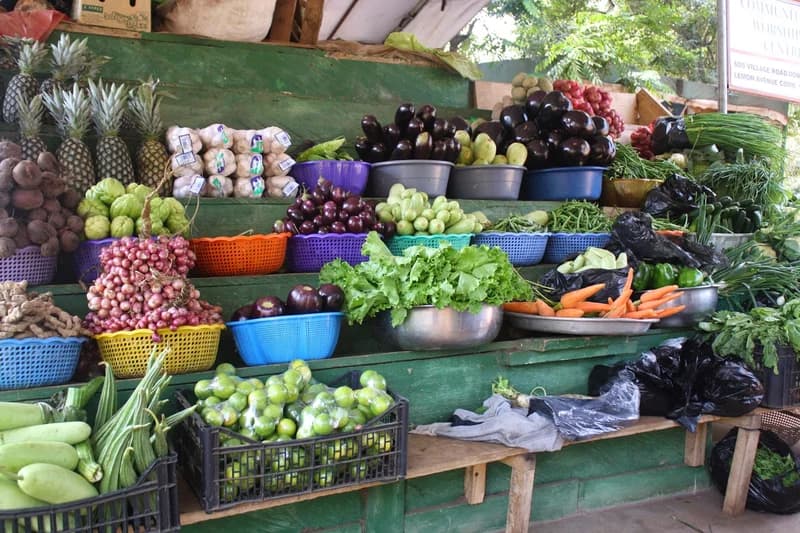
A scientific review of 45 separate studies has confirmed that illegal mining activities, locally known as galamsey, are severely contaminating essential vegetables across Ghana with dangerous levels of heavy metals. The research, led by Eric Osei Bonsu and his collaborators, found that staples such as tomatoes, peppers, garden eggs, and onions contain concentrations of lead, mercury, arsenic, cadmium, and chromium that frequently exceed international safety limits. These findings highlight a growing public health crisis as toxic elements enter the national food chain through crops grown in mining-affected regions.
The study, which focused heavily on farming communities in the Ashanti and Western Regions, revealed that cadmium showed the highest transfer rates from soil to plants. In some monitored sites, the levels of this toxic metal were found to be up to 400 times higher than the recommended limits set by the World Health Organization (WHO) and the Food and Agriculture Organization (FAO). The presence of mercury and arsenic is particularly concerning, as these substances pose long-term health risks to consumers even in small quantities, yet they were found at alarming levels in several vegetable samples.
In response to these findings, the researchers are calling for urgent state intervention to protect food security and public health. Mr. Bonsu and his team recommend the immediate establishment of agricultural buffer zones around mining sites to prevent the further encroachment of galamsey activities into fertile farmlands. They also emphasize the need for targeted monitoring of produce in mining districts and improved post-harvest practices to reduce contamination risks. The study further identifies critical gaps in current knowledge, urging more detailed research into the specific chemical forms of chromium and arsenic found in Ghanaian soils to better understand their biological impact.