••
Eric Opoku aims for rice self-sufficiency in Ghana by 2028
•2 min read•1 source
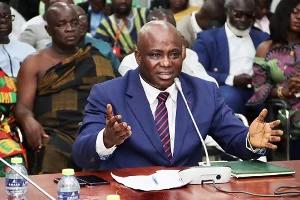
The Minister of Food and Agriculture, Eric Opoku, has announced an ambitious national goal for Ghana to achieve full self-sufficiency in rice production by 2028. This four-year target is designed to eliminate the country's heavy reliance on rice imports, which currently drain significant foreign exchange reserves. Speaking on the government's strategy for food security, the Minister emphasized that transitioning from an import-dependent economy to a self-reliant one is a top priority for the current administration.
To facilitate this transition, the government is prioritizing the mechanization of agriculture through strategic international partnerships. A key element of this plan involves the acquisition of specialized agricultural machinery from Japan. This equipment is specifically tailored to enhance rice seed production and will be deployed to various seed production enclaves across the country. By improving the quality and availability of seeds, the Ministry aims to boost overall crop yields and ensure that local farmers can meet national demand.
The initiative forms part of a broader effort to modernize Ghana's agricultural sector and improve the efficiency of local value chains. The Minister noted that the distribution of Japanese equipment to production enclaves will allow for more precise farming techniques, reducing waste and increasing the competitiveness of Ghanaian rice in the local market. This focus on mechanization is expected to lower the cost of production, making locally grown rice a more affordable and attractive option for consumers.
As the Ministry of Food and Agriculture begins the rollout of these new resources, the focus remains on sustaining these gains through the 2028 deadline. Success will depend on the effective maintenance of the new machinery and the continued participation of stakeholders across the agricultural sector. If the 2028 goal is met, it will mark a significant milestone in Ghana's economic independence and food sovereignty, potentially saving the nation millions of dollars annually and creating new employment opportunities in rural communities.
Live rates
Dollar to cedi rate →
