••
Eric Appau Asante urges national guidelines for AI in education
•2 min read•1 source
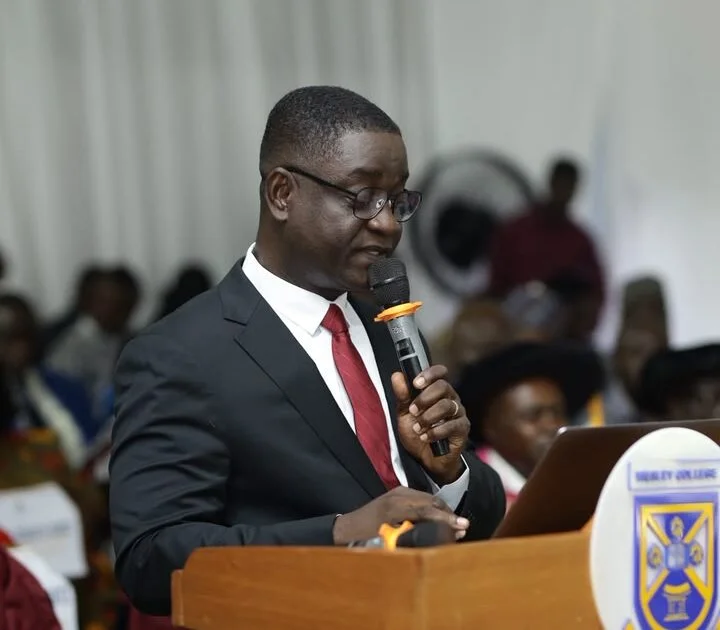
Prof. Eric Appau Asante, the Coordinator of Artificial Intelligence (AI) Courses at the Kwame Nkrumah University of Science and Technology (KNUST), has called for the establishment of practical national guidelines to regulate the use of AI in Ghana’s education sector. Speaking on the integration of emerging technologies, he warned that simply providing students and institutions with access to AI tools does not equate to a genuine readiness for AI-powered education. Without a clear regulatory framework, he cautioned that the technology could exacerbate existing disparities within the Ghanaian school system. The KNUST lecturer emphasized that while AI offers transformative potential, its implementation must be carefully managed to address fundamental educational challenges rather than creating new ones. He argued that merely layering AI onto current structures without strategic planning would fail to improve learning outcomes. To avoid this, Prof. Asante suggested that educational authorities should look toward international benchmarks, such as the European Union’s AI Act, to help craft policies that ensure the technology is used ethically and effectively in a local context. Central to this transition is the preparation of educators and the alignment of AI tools with the national curriculum. Prof. Asante stressed that training teachers to use AI responsibly is critical for meaningful integration. Supporting this view, Dr. Kennedy Ameyaw Baah, Principal of Wesley College of Education, underscored the necessity for innovative teaching approaches that leverage AI to enhance global educational standards. The experts concluded that for Ghana to benefit from the digital revolution, the focus must shift from basic access to building a robust ecosystem of trained professionals and culturally relevant digital resources.
