••
EPA warns residents that boiling galamsey-polluted water is unsafe
•2 min read•1 source
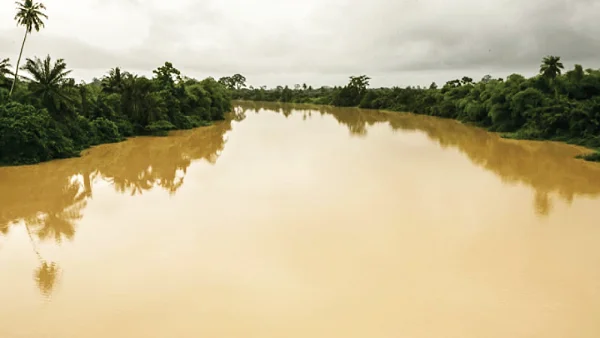
The Environmental Protection Authority (EPA) has issued a critical public health warning to residents in mining-affected areas, cautioning that boiling water from sources polluted by illegal mining, known as galamsey, does not make it safe for consumption. Officials clarified that while boiling is a standard method for killing biological pathogens like bacteria, it is entirely ineffective against the hazardous heavy metals and chemical toxins introduced by illegal mining activities.
David Agyekum Baidoo, representing the EPA, explained that the primary contaminants found in these water bodies include mercury and cyanide, which are used extensively in gold processing. As these are chemical elements and stable compounds rather than biological organisms, they remain in the water even after it has reached a boiling point. Experts warn that boiling contaminated water can sometimes even concentrate these toxins as the water evaporates, significantly increasing the danger to the consumer.
The health implications of using such polluted water are severe and often irreversible. According to the EPA, long-term exposure to these mining chemicals is directly linked to permanent kidney damage and serious birth defects in newborns. The authority emphasized that the risks are not limited to drinking alone; using contaminated water for cooking or hygiene also poses a significant threat to communal health due to the persistent nature of these heavy metals.
In light of these dangers, residents are urged to rely exclusively on treated water sources provided by Ghana Water Limited or other verified safe alternatives. To mitigate further environmental degradation and protect public health, the EPA has also called on citizens to proactively report illegal mining activities to the relevant authorities. This advisory underscores the deepening environmental crisis caused by galamsey and its direct impact on human life in Ghana.
Live rates
Ghana gold price →