••
Enoch Godongwana cuts fuel levy by three rand to ease costs
•2 min read•1 source
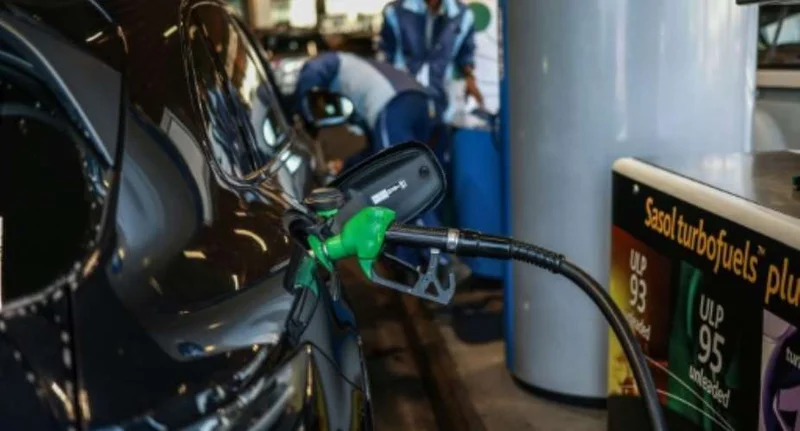
South Africa's Finance Minister Enoch Godongwana has announced a temporary reduction in the general fuel levy to protect motorists and commuters from surging global energy prices. The relief measure, set to take effect from November 4 to December 1, will see the levy for diesel decreased by three rand ($0.18) per litre, while the levy for petrol will be reduced by 1.50 rand per litre. This intervention follows significant market volatility driven by international conflicts and global supply disruptions that have pushed domestic fuel costs to challenging levels.
The South African government estimates that this relief package will cost approximately 10 billion rand ($611 million) in lost revenue. According to the Minister, this fiscal maneuver is designed to mitigate the immediate impact of high fuel costs on the national economy and household budgets. This latest initiative follows a similar relief measure implemented earlier in March, reflecting a pattern of government intervention during periods of acute pricing pressure to maintain economic stability.
The announcement comes at a strategic time, arriving ahead of local government elections and amid a cooling economic climate. Minister Godongwana stated that the country has navigated recent global volatility more effectively than some of its peers due to prudent fiscal management over the last five years. However, the broader economic outlook remains cautious; the government has recently adjusted its growth forecasts for 2026 downward from 1.6 percent to 1.2 percent, highlighting the ongoing pressure on the national economy.
While the temporary reduction provides immediate relief at the pump, officials continue to monitor international market trends closely to determine if further action will be necessary. The government’s ability to sustain such interventions remains dependent on available fiscal headroom and the trajectory of global oil prices. For now, South African motorists can expect a notable reprieve in the coming weeks, though the long-term challenge of energy price stability remains a central concern for the National Treasury.
