••
Eni Ghana urges African oil producers to boost local content
•2 min read•1 source
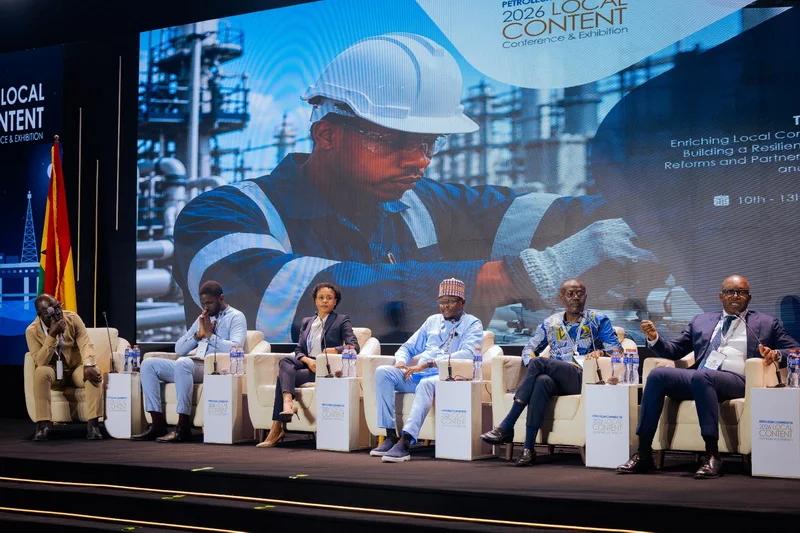
Industry experts and energy stakeholders at the Local Content Conference and Exhibition (LCCE) have called on African oil-producing nations to prioritize stable business climates and sustained upstream investments. The call emphasizes that without continuous activity in the oil and gas sector, local content development remains vulnerable to stagnation, threatening the growth of indigenous firms across the continent. Participants stressed that policy frameworks must evolve to match the dynamic nature of the industry to ensure long-term benefits for host nations.
Baluri Kassim Bukari, the Deputy Managing Director of Eni Ghana, highlighted the critical link between upstream activity and local business participation. Using Ghana’s Offshore Cape Three Points (OCTP) project as a primary example, Bukari noted that while the project’s development phase generated substantial contracts for local vendors, the subsequent slowdown in activity post-development endangered further opportunities. He argued that to secure the future of local businesses, there must be a shift from non-binding memorandum of understanding (MOU) agreements toward concrete, formal contracts that ensure sustained involvement throughout the lifecycle of oil projects.
Supporting this stance, Hamis Yussif of the Ghana National Petroleum Corporation (GNPC) emphasized the necessity of building the capacity of indigenous firms through consistent support and strategic investment. The conference also featured perspectives from Nigerian and Angolan representatives, who shared insights on how their respective nations are adapting local content policies to meet evolving industry demands. These stakeholders agreed that local content is not merely a regulatory requirement but a vital driver for economic resilience in oil-rich African nations, provided that the technical expertise of local players is continuously developed.
The experts concluded that for local content to be truly effective, African governments must ensure that the upstream sector remains attractive to international investors while simultaneously enforcing frameworks that empower domestic companies. The consensus at the LCCE underscores a broader regional movement toward ensuring that the extraction of natural resources translates into long-term industrial growth and technical expertise for the African workforce. This approach aims to prevent the 'boom and bust' cycles that often characterize local participation in large-scale infrastructure projects.
