••
Energy Commission Urges Greater Female Participation in Electrical Wiring Amid Declining Enrollment
•2 min read•1 source
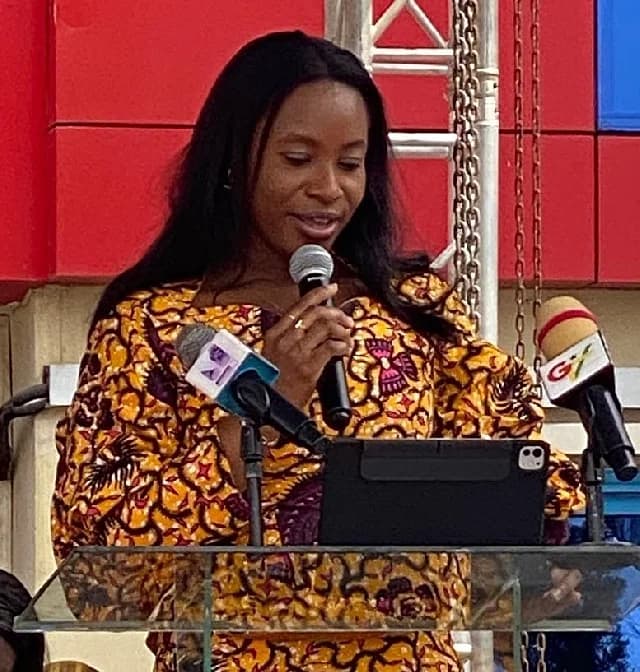
The Energy Commission of Ghana has expressed significant concern regarding the persistent gender gap in the electrical wiring profession, calling for a concerted effort to attract more women into the field. Speaking at the 25th Electrical Wiring Certification Ceremony, Adwoa Serwaa Bondzie, the acting Executive Secretary of the Commission, underscored the critical need for gender diversity within technical sectors. This call to action comes at a time when female participation in the certification process remains worryingly low, despite the growing importance of clean energy and technological advancement in the nation’s power sector.
Data from the most recent certification cycle highlights the scale of the challenge facing the industry. Out of a total of 1,036 candidates who sat for the Electrical Wiring Certification Examination, only five were women—a decline from the eight female candidates who participated in the previous year. Despite the low enrollment numbers for women, the overall cohort demonstrated strong technical aptitude, achieving a commendable 85% pass rate. Ms. Bondzie emphasized that the Energy Commission is actively seeking to reverse this downward trend by collaborating with various institutional partners to create more opportunities for women in both traditional electrical wiring and the rapidly emerging clean technology sectors.
Beyond gender advocacy, the Commission is also implementing several regulatory and structural reforms aimed at modernizing the industry. Ms. Bondzie announced the introduction of a new electrical wiring code, developed in partnership with the Ghana Standards Authority (GSA), designed to ensure safer and more efficient installations across the country. Additionally, the Commission is preparing for the future of transportation by drafting regulations specifically for electric vehicle (EV) charging systems. These initiatives are being complemented by an enhanced digital verification process, which will allow the public and regulatory authorities to easily confirm the credentials of certified practitioners in real-time.
The Energy Commission remains committed to the continuous professional development of its newly certified electricians, ensuring they stay abreast of global standards and technological shifts. By focusing on both regulatory rigor and inclusivity, the Commission aims to build a more robust and diverse workforce capable of supporting Ghana's energy transition. For women in particular, the Commission's message is clear: the electrical and clean tech industries offer viable, high-impact career paths that are essential to the nation's development, and the regulatory body is dedicated to lowering barriers for those seeking professional certification.