••
Energy Commission calls for funding of GH₵35,000 TVET energy projects
•2 min read•1 source
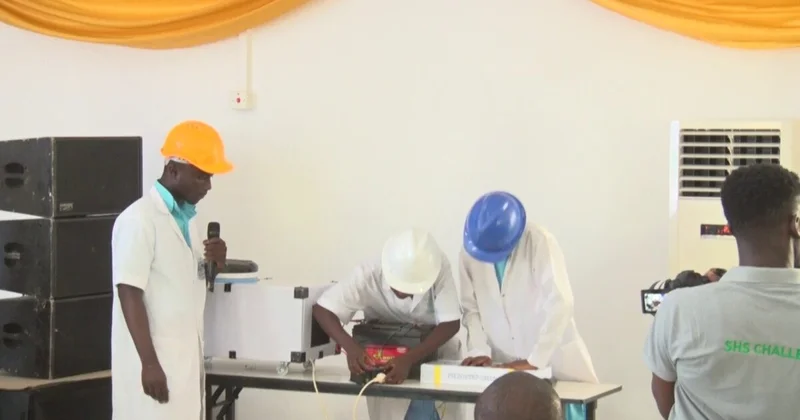
Participants and organizers of the seventh Energy Commission Renewable Energy Challenge have called on the government to increase funding for Technical and Vocational Education and Training (TVET) students. The appeal follows the showcase of several innovative renewable energy prototypes, where it was revealed that participating schools spent approximately GH₵35,000 each to develop their entries. This high development cost has been identified as a significant barrier to innovation among Ghanaian youth, limiting their ability to scale their creative solutions.
George Sarpong, the Head of Public Affairs at the Energy Commission, emphasized that inadequate funding remains a primary hurdle for many schools. While the competition successfully highlighted student creativity, the financial burden of procuring materials and building functional prototypes often exceeds the resources available to TVET institutions. Mr. Sarpong noted that without dedicated government support, many promising ideas might never transition from the prototype stage to practical application or community use.
The competition featured various schools from both the northern and southern zones, with winners selected to proceed to the grand finale in Accra. The prototypes presented were specifically designed to address energy challenges in rural communities, showcasing the practical utility of student-led research. Professor Francis Kermanson from the Kwame Nkrumah University of Science and Technology (KNUST), who served as a judge, lauded the students' ingenuity but reiterated that addressing the financial constraints within the TVET sector is vital for future energy advancements.
Students involved in the challenge also voiced their need for better support systems, including access to modern equipment and specialized laboratories. As Ghana continues to seek sustainable energy alternatives, proponents argue that investing in the creative potential of TVET students is essential for national progress. The Energy Commission intends to use the upcoming national finale to further advocate for policies that integrate renewable energy innovation into the core of the national development agenda.


