••
Emmanuel Kutin urges intelligence-led strategy to fight drug cartels
•2 min read•1 source
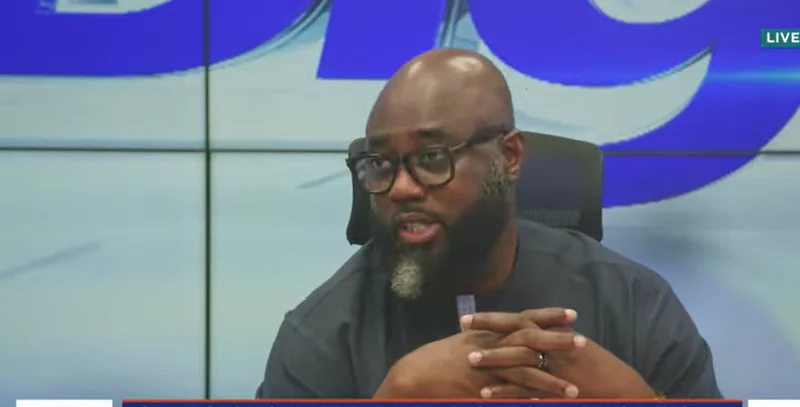
Security analyst Emmanuel Kutin has cautioned Ghana against adopting a militarised approach to combating drug trafficking, arguing instead for a strategy rooted in intelligence-gathering and international cooperation. Speaking on the country’s security framework, Kutin emphasised that Ghana lacks the extensive resources required for a full-scale armed conflict with sophisticated global drug cartels. He suggested that a tailored approach, which prioritises logistical support and intelligence sharing, is more suited to the nation’s current economic and security landscape.
A primary focus of this proposed strategy involves significantly increasing funding for drug enforcement agencies to enhance their monitoring of Ghana’s coastal territories. Kutin noted that the current infrastructure for surveillance along the coastline is inadequate, leaving the country vulnerable to international trafficking networks. He argued that the fight against narcotics cannot be won by force alone but requires a systematic effort to dismantle the structures that allow cartels to operate within the sub-region.
Addressing the root causes of trafficking, the analyst highlighted the critical need to tackle internal corruption and improve the integrity of security personnel. He pointed out that sophisticated cartels often rely on local accomplices and institutional lapses to facilitate their operations. This assessment follows a recent high-profile cocaine seizure in Spain, which was linked to a shipment originating from Ghana, underscoring the urgency of closing gaps in the domestic enforcement chain.
In his concluding remarks, Kutin called for a unified national front against drug trafficking, urging political parties to treat the issue as a non-partisan national security priority. He stressed that success depends on consistent state support for enforcement bodies and a move away from politicising narcotics-related incidents. By focusing on international partnerships and internal reform, he believes Ghana can more effectively deter being used as a transit point for illegal drug shipments.