••
Emelia Arthur thanks Togo and Benin for rescuing seven fishers
•2 min read•1 source
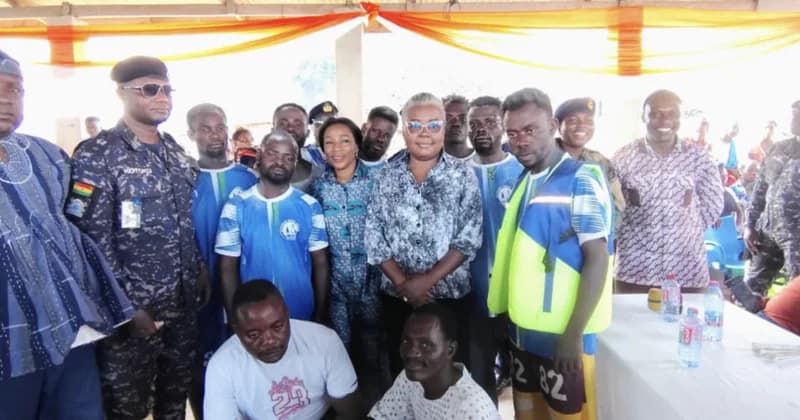
Emelia Arthur, the Minister for Fisheries and Aquaculture, has formally expressed the Ghanaian government's gratitude to the governments of Togo and Benin for their critical role in rescuing seven Ghanaian fishers. The fishers had been missing at sea for two weeks following a severe mechanical failure on their vessel. The successful rescue operation is being hailed as a significant example of regional maritime cooperation and the effectiveness of international partnerships in ensuring the safety of those working on the ocean.
During her remarks, Minister Arthur emphasized that maritime safety is a shared responsibility, requiring a combination of traditional seafaring knowledge and modern technological solutions. She noted the vital economic importance of the fishing industry to Ghana and the risks that fishers face daily. The ordeal of the seven fishers, who survived two weeks adrift before being intercepted and assisted by authorities in the neighboring countries, highlights the precarious nature of the profession and the necessity for robust search and rescue protocols across the West African sub-region.
In response to the incident, the government is initiating discussions with industry leaders to prioritize the procurement of tracking devices for local fishing vessels. Minister Arthur indicated that these devices would be essential for monitoring the location of boats in distress and speeding up response times during emergencies. Furthermore, the Ministry plans to implement new local regulations and byelaws designed to enhance overall safety standards and ensure that all fishing operations adhere to stricter protocols before heading out to sea.
Adding to the call for improved safety, Nana Kwesi Ackon, the Chief Fisherman of Ngyeresia, urged the government to implement more rigorous technical inspections of outboard motors. He pointed out that substandard or poorly maintained equipment has frequently left fishers stranded in the past. Ackon also stressed the importance of clear and cautious communication during maritime crises to manage the expectations and anxieties of the affected families and the fishing community at large.