••
Elizabeth Moselakgomo and Nigerian Nationals Among Victims of Recent Violence in South Africa
•2 min read•2 sources
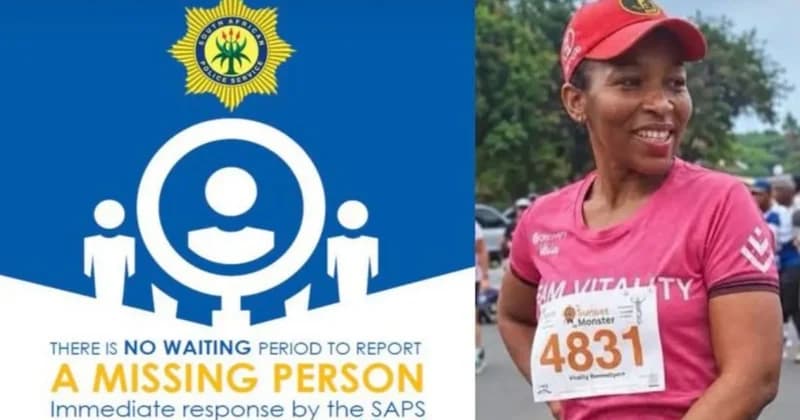
South African authorities and international observers are raising alarms following a series of violent incidents that have claimed the lives of a local runner and multiple foreign nationals. The discovery of the body of Elizabeth Moselakgomo, a jogger who went missing in Kempton Park, alongside the targeted killings of Nigerian citizens in Johannesburg, has intensified the national dialogue regarding public safety and gender-based violence (GBV). These incidents highlight a period of heightened insecurity that has drawn sharp criticism from both domestic advocacy groups and the Nigerian community. The death of Elizabeth Moselakgomo has particularly shaken the local community. Her body was found bruised and partially clothed in Kempton Park, an area that has become a flashpoint for violence against women; authorities noted that four other women’s remains were previously discovered in the same vicinity. In response to the discovery, South African police have urged women to avoid jogging or walking alone, a directive that has been met with backlash from advocacy groups. These organizations argue that the onus should be on law enforcement to provide adequate protection rather than placing the burden of safety on potential victims in a country already struggling with some of the world’s highest rates of GBV. Simultaneously, the Nigerian community is reeling from the deaths of two of its nationals, Bishop Michael Fakunle and James Nwankwo, in separate incidents. Bishop Fakunle, originally from Ekiti State, was reportedly shot at his home in Johannesburg on September 4, 2023. Family and associates claim the shooting followed a series of threats against his life. These killings have triggered widespread outrage among Nigerians, both at home and abroad, raising urgent questions about the safety of foreign nationals in South African urban centers and the perceived silence of authorities in the wake of such targeted violence. The convergence of these tragedies underscores the multifaceted nature of the security crisis facing South Africa. While the family of Elizabeth Moselakgomo has expressed gratitude for community support during their search, the broader public remains critical of the government’s response to systemic violence. As advocacy groups demand more robust protection measures and diplomatic tensions simmer over the safety of expatriates, the South African police face mounting pressure to address the underlying issues of crime and social instability that continue to claim lives across the country.