••
Effia-Kwesimintsim children demand improved school infrastructure
•2 min read•1 source
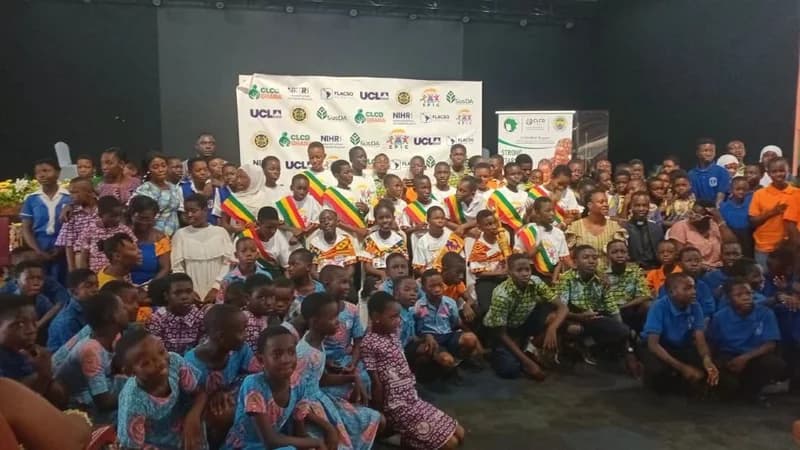
Schoolchildren in the Effia-Kwesimintsim Municipality have voiced urgent demands for improved basic infrastructure and enhanced community safety. During a moot session of the Children’s Parliament, the young representatives highlighted a range of systemic challenges affecting their education and well-being, calling on local authorities to prioritize their needs in developmental planning.
The session served as a platform for students to outline critical deficiencies in their local environment. Primary among their concerns were poor road conditions, inadequate sanitation facilities, and a lack of reliable streetlights, which they argued compromise their safety when traveling to and from school. The participants also pointed to the limited access to potable water and the absence of sufficient police stations within the municipality as significant barriers to a secure and healthy upbringing.
Beyond physical infrastructure, the children advocated for better educational support services. This included calls for improvements to the national school feeding program, the construction of dedicated cafeteria facilities, and expanded access to scholarship opportunities for deserving students. The discourse also addressed the needs of marginalized groups, with representatives highlighting the lack of adequate facilities for students with disabilities and the negative impact of noise pollution on their learning environments.
Dr. Kwame Sakyi, who attended the session, underscored the vital importance of including children’s voices in policymaking processes. He noted that their participation ensures that municipal strategies are responsive to the actual needs of the youth. The Children’s Parliament provides a structured environment for these young citizens to practice advocacy and civic engagement. The discussions initiated during this session are expected to continue when the Parliament reconvenes on October 30, 2027.

