••
University of Ghana Scientist Warns of Rising Threats to National Marine Ecosystems
•2 min read•1 source
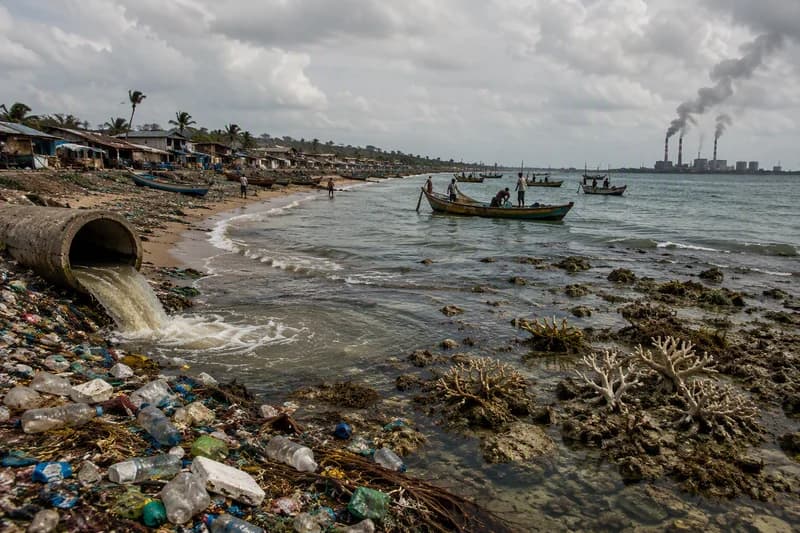
Professor Edem Mahu, a prominent marine scientist at the University of Ghana, has raised urgent concerns regarding the deteriorating state of Ghana’s marine ecosystems. Speaking on the mounting pressures facing coastal waters, Prof. Mahu identified a combination of pollution, declining fisheries, habitat degradation, and climate change as critical factors undermining ocean health. She emphasized that healthy oceans are not merely an environmental concern but are foundational to Ghana’s food security, coastal livelihoods, and cultural heritage, warning that the current trajectory poses a significant risk to the nation's blue economy.
Recent scientific assessments indicate a troubling decline in marine biodiversity, which Prof. Mahu notes is directly correlated with the reduction in fish resources available to local fishermen. The situation is further complicated by persistent pollution, particularly from agricultural runoff, which introduces harmful chemicals and excess nutrients into the water. Climate change acts as a 'threat multiplier,' diminishing the ocean's natural resilience and its ability to recover from these environmental stressors. These cumulative impacts are already being felt by coastal communities that rely heavily on the sea for their daily survival.
While Ghana recently scored 65 on the Global Ocean Health Index, Prof. Mahu cautioned that this figure may not fully capture the severity of the ecological issues on the ground. To address these challenges, she is advocating for more robust conservation frameworks, including the expansion and rigorous monitoring of Marine Protected Areas (MPAs). Although the establishment of Ghana’s first MPA marks a significant milestone, experts argue that without continuous monitoring and enforcement, such designations may fail to achieve their intended conservation goals.
Looking ahead, the restoration of degraded coastal habitats and the adoption of sustainable fishing practices are seen as vital steps toward reversing these negative trends. Prof. Mahu stressed that safeguarding marine health requires a multi-faceted approach involving government policy, scientific research, and community-led initiatives. As Ghana continues to navigate the complexities of maritime management, the focus must remain on ensuring that its vast marine resources are preserved for future generations through active stewardship and scientific intervention.