••
ECOWAS prioritises youth involvement in regional peacebuilding
•2 min read•1 source
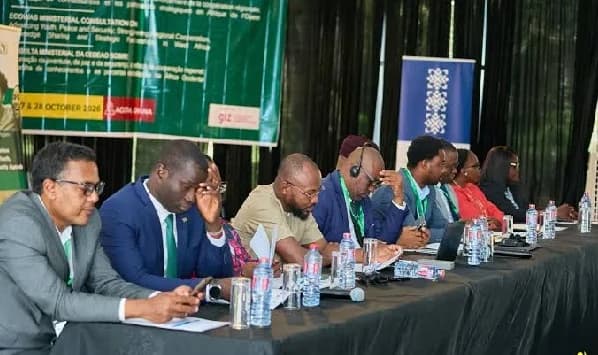
The Economic Community of West African States (ECOWAS) has reaffirmed its commitment to regional peace and security by formally integrating young people into policy-making and decision-making processes. Speaking at a two-day Ministerial Consultation on Youth, Peace and Security held in Accra from October 27 to 28, 2026, the regional body emphasised that youth involvement is essential for sustainable stability across West Africa. The meeting brought together representatives from member states, civil society, and international partners to discuss frameworks for collaboration.
Ambassador Mohamed Lawan Gana, representing ECOWAS, highlighted the necessity of treating young people as active partners in peacebuilding rather than passive recipients of aid. He noted that the consultation aimed to foster deeper cooperation between governments and youth organizations to address the peculiar challenges facing the sub-region. According to the Ambassador, giving young people the platform to shape policies and influence decision-making is a critical step toward resolving long-standing security issues in the region.
Stakeholders from the United Nations Development Programme (UNDP) and the West Africa Network for Peacebuilding (WANEP-Ghana) underscored the need for tangible results from these policy discussions. They argued that while policy commitments are valuable, they must be backed by measurable investments in youth development. These representatives called for a shift beyond basic vocational training toward creating real job opportunities and ensuring that young leaders have a seat at the tables where regional security strategies are drafted.
The consultation serves as a platform for ECOWAS to harmonise its peacebuilding efforts with the aspirations of the region's largest demographic. By strengthening partnerships with civil society and youth groups, the organisation aims to build a more resilient security architecture. The outcomes of the Accra meeting are expected to guide future member-state initiatives aimed at reducing youth vulnerability to radicalisation and conflict while promoting their role as agents of positive change.