••
Democratic Republic of Congo Faces Trio of Crises as Ebola Cases Surge and School Tragedy Claims 26 Lives
•3 min read•3 sources
The Democratic Republic of Congo (DRC) is currently grappling with a series of humanitarian, public health, and environmental challenges that are straining the nation's resources and local communities. In a devastating incident in the eastern city of Bukavu, at least 26 students have been confirmed dead following a fire and subsequent stampede at a local school. The blaze, which broke out during morning lessons, created a scene of chaos as children attempted to escape the building, with some reportedly jumping from high floors to avoid the flames. The UN children's agency is currently working with local authorities to gather more details and provide support to the grieving families in the wake of this calamity.
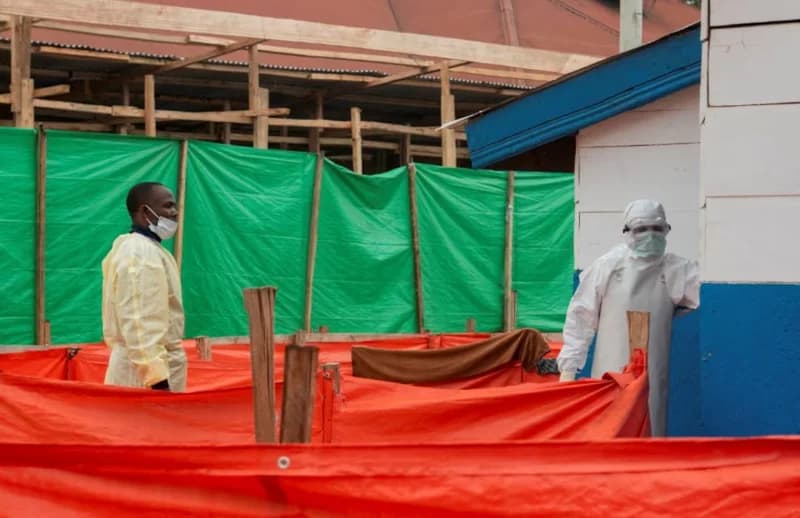
Simultaneously, the country's health infrastructure is under renewed pressure as the official count of confirmed Ebola infections has surpassed 7,000. Government data reveals that the outbreak has now reached a seventh province, South Ubangi, located in the northwestern region of the country. This expansion of the virus into new territories underscores the difficulty of containing the disease amidst the country's complex geography and ongoing logistical hurdles. Health officials are monitoring the situation closely as they attempt to scale up response efforts in the newly affected areas to prevent further transmission.
Beyond these immediate tragedies, an environmental and economic crisis is unfolding along the Congo River, where traditional livelihoods are being dismantled by pollution and overfishing. Families who have long depended on the river for their survival report that weekly fishing income has plummeted to approximately $20. A 2023 study confirms a significant decline in fish populations, leading many fishers to abandon their nets in favor of collecting and selling plastic waste. In some parts of the river, plastic debris now outnumbers fish, highlighting a troubling trend that threatens local traditions while offering a meager, alternative income for those pushed to the brink of poverty.
These concurrent crises—ranging from the sudden loss of young lives in Bukavu to the slow-moving environmental degradation of the Congo River—illustrate the multifaceted pressures facing the DRC government and international aid organizations. While authorities are working on waste management projects and health interventions, the cumulative impact of these events suggests a critical need for reinforced safety standards in schools and more robust environmental protections. As the nation mourns the loss of its students and fights an expanding viral outbreak, the resilience of the Congolese people remains tested by the shifting economic and ecological landscape.
