Anansi News
HomeBriefsAsk GhanaTopicsTools
•
•

Stay Informed

Get AI-curated news briefs from Ghana delivered to your inbox every morning. Free forever, no spam.

Explore

  • Home
  • Briefs
  • About

Categories

  • Politics
  • Business
  • Sports
  • Entertainment
  • Africa

Features

  • Analysis
  • Cedi Rates
  • Dollar to Cedi
  • Ghana Gold Price
  • BoG Policy Rate

Topics

  • Armed Forces Recruitment
  • WAEC Results & News
  • Nana Ama McBrown
  • NDC News
  • All Topics

Legal

  • Privacy Policy
  • Terms of Service
Anansi News© 2026. All rights reserved.
Made withfor Ghana
health

DR Congo Records 896 Ebola Cases as Nigeria Releases Emergency Preparedness Funds to States

21st June•2 min read•3 sources
DR Congo Records 896 Ebola Cases as Nigeria Releases Emergency Preparedness Funds to States
  1. Home
  2. /Health
  3. /DR Congo Records 896 Ebola Cases as Nigeria Releases Emergency Preparedness Funds to States

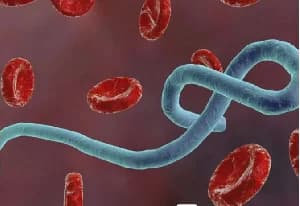
The Democratic Republic of the Congo (DRC) is currently grappling with a significant escalation in its 17th Ebola outbreak, with health authorities reporting a total of 896 confirmed cases and 232 deaths as of June 2023. The outbreak, which was officially declared on May 15, has spread across 33 health zones in three provinces, notably affecting Ituri and North Kivu. Recent data highlights the volatile nature of the situation, with 21 new cases and six deaths recorded in a single update. This current surge is attributed to the Bundibugyo ebolavirus strain, necessitating a rigorous and rapid public health response to contain further transmission.

In the DRC, the scale of the challenge is underscored by the intensive surveillance efforts currently underway. Health officials are monitoring 6,367 individuals who have come into contact with infected patients, warning that the potential for rapid spread remains high if public health measures are not strictly implemented and maintained. The involvement of provinces such as North Kivu, which have historically struggled with the virus, adds a layer of complexity to the containment efforts, as local health systems work to manage the influx of patients while preventing cross-border transmission into neighboring regions.

Recognizing the regional threat posed by the virus, the Nigerian Federal Government has taken proactive steps to safeguard its population and enhance its public health infrastructure. Mr. Ado Bako, the Assistant Director of Information and Public Relations at the Federal Ministry of Health and Social Welfare, announced that the government has approved the release of N21.2 million to each of Nigeria’s states. This funding is specifically earmarked for outbreak investigation and response funds, serving as a critical financial cushion to bolster the country’s preparedness against the Ebola Virus Disease (EVD) and other emerging public health threats.

The allocation of these funds reflects a broader strategy of decentralized preparedness, ensuring that each state has the resources to identify, track, and manage potential cases before they can escalate into a national crisis. By prioritizing early detection and localized response capacities, Nigeria aims to avoid the devastating impacts seen in previous years across the continent. As health authorities in both the DRC and Nigeria navigate these challenges, the situation serves as a stark reminder of the ongoing vulnerability to zoonotic diseases and the necessity of sustained investment in African public health systems to ensure regional security.

Our Take

From the Team

Coming Soon

Our team will add key insights, trends, and actionable takeaways to help you stay informed faster.

This story touches markets covered on Anansi Intelligence ↗.

More from health

Continue exploring similar stories

Dr Julius Debrah — Chief of Staff, speaking at the conference
health|Yesterday

Chief of Staff and Researchers Call for Collective Action to Combat Ghana’s Environmental Health Threats

Ghana is currently facing a multifaceted public health challenge driven by environmental degradation, prompting a surge in calls for legal advocacy, scientific innovation, and collective civic responsibility. During the "Clean Conference" at the University of Ghana, Chief of Staff Dr. Julius Debrah emphasized that winning the fight against poor sanitation is essential for sustainable living and public health. This sentiment was echoed by environmental advocate Humphrey Omaboe, who urged young lawyers to champion environmental justice through the "Rising Advocates, Raising Climate Leaders" campaign. Both leaders highlighted that the escalating threats to Ghana’s ecosystems—ranging from water pollution to air toxicity—require a coordinated response across all sectors of society. The urgency of the sanitation crisis has drawn support from influential figures, including the National Chief Imam and the Ga Mantse, who joined the Chief of Staff in calling for the media to prioritize these issues in public discourse. On the legal front, advocates are pushing for stricter enforcement of environmental laws to protect agricultural land and urban air quality. Mr. Omaboe stressed that the responsibility for safeguarding the planet extends beyond government agencies to include the legal profession, which must lead in holding polluters accountable and ensuring environmental justice for vulnerable communities. Innovation in the agricultural sector is also emerging as a key pillar in the protection of public health. The Ghana Agroecology Movement (GAEM), in partnership with the University of Energy and Natural Resources (UENR), recently validated the use of fermented human urine as a natural, safer herbicide. This initiative seeks to provide farmers with an alternative to toxic synthetic chemicals like glyphosate, which have long been linked to soil degradation and health risks. Scientific testing confirmed that this urine-based management system does not negatively impact crop safety or soil health, offering a sustainable path forward for Ghana’s agroecological farmers. While systemic changes are underway, researchers at the University of Cape Coast have identified immediate nutritional interventions to protect citizens from unavoidable environmental hazards. A 12-year study involving street vendors and traffic officers in Accra found that a diet rich in antioxidants—specifically including oranges, sardines, and eggs—significantly reduced respiratory symptoms and hospital admissions among those exposed to high levels of air pollution. The findings suggest that while air quality improvement remains the ultimate goal, targeted nutrition can serve as a vital defense mechanism for outdoor workers on the front lines of urban pollution. Despite these localized successes in nutrition and agricultural science, experts maintain that individual efforts cannot replace comprehensive policy reform. Researchers and environmental advocates alike are calling on the government to take more decisive action in tackling the primary sources of pollution and improving national sanitation infrastructure. As Ghana strives to meet its 2030 Agenda goals, the integration of legal enforcement, scientific research, and public participation will be critical in securing a healthier, more sustainable future for all citizens.

Christian Council rallies support for Ghana Medical Trust Fund
health|Yesterday

Golden Coast Developers and Christian Council Strengthen Healthcare Support Systems for Needy Patients

Efforts to improve healthcare accessibility for vulnerable Ghanaians have received a significant boost through a series of interventions from both the corporate and religious sectors. Golden Coast Developers recently donated GH"20,000 to the 37 Military Hospital, while the Christian Council of Ghana has formally pledged its support to the Ghana Medical Trust Fund (GMTF). These initiatives highlight a growing trend of collaborative responsibility aimed at alleviating the financial burdens that often prevent patients from receiving essential medical treatment. The donation from Golden Coast Developers was specifically targeted at settling the medical bills of patients in the general, maternity, and children's wards at the 37 Military Hospital. Lady Roberta Blankson, the company's Head of Business Development, described the gesture as a core component of their Corporate Social Responsibility (CSR) strategy. She noted that the initiative is intended to provide immediate relief to families facing financial strain, a sentiment echoed by hospital beneficiaries who expressed gratitude for the timely assistance. Blankson further indicated that the company plans to expand this support to other hospitals and communities in the near future. In a broader institutional move, the Christian Council of Ghana has aligned with the Ghana Medical Trust Fund to ensure no Ghanaian loses their life due to unaffordable healthcare. Rev. Dr. Cyril G. K. Fayose emphasized that the Council's support for the GMTF is a reflection of the Christian duty to care for the sick and alleviate suffering. To realize this goal, the Council intends to leverage its extensive network of churches to raise awareness and mobilize donations, effectively turning the pulpit into a platform for healthcare advocacy and resource mobilization. These combined efforts come at a critical time as Ghana seeks to complement existing medical financing models with sustainable, community-driven support. Adjoa Obuobia Darko-Opoku, Administrator of the GMTF, highlighted the importance of this collective responsibility, noting that such partnerships are vital for ensuring that the Trust Fund can meet the needs of the indigent. As corporate entities like Golden Coast Developers provide direct relief and religious bodies like the Christian Council drive systemic support, the outlook for healthcare equity in Ghana continues to strengthen.

Global Mercy and Asafo-Boakye Hospital Scale Up Free Specialist Healthcare Services in Ghana
health|Yesterday

Global Mercy and Asafo-Boakye Hospital Scale Up Free Specialist Healthcare Services in Ghana

Ghana's healthcare landscape is witnessing a significant boost through large-scale specialist outreach programs, bridging the gap for thousands of citizens requiring critical medical interventions. From the Port of Tema to the Ashanti Region, international partnerships and local specialist hospitals are working to provide essential surgeries, dental care, and screenings. These initiatives, ranging from the arrival of the world’s largest civilian hospital ship to localized pediatric fairs, represent a concerted effort to increase healthcare accessibility for vulnerable populations across the country. In Kumasi, the third annual TWISCO-ABSH Kids Fair at the Asafo-Boakye Specialist Hospital provided a vital lifeline for families on July 25, 2026. The event offered free specialist care to over 1,600 children, including dental, eye, and Ear, Nose, and Throat (ENT) services, alongside nutritional counseling. Hospital Administrator Stephen Ofosu emphasized that the outreach is rooted in corporate social responsibility, with a specific focus on the early detection of health issues to prevent long-term complications. Parents attending the fair lauded the initiative for making high-quality specialist care accessible and affordable, fostering a growing public trust in community-oriented medical interventions. Complementing these local efforts, the Global Mercy has docked at the Port of Tema to begin its fifth field service in Ghana. During its 10-month stay, the ship’s volunteer medical teams are scheduled to perform between 1,950 and 2,600 free surgeries and more than 2,000 dental treatments. Beyond direct patient care, the mission is heavily invested in sustainability, aiming to train 250 local healthcare professionals. This strategic focus aligns with Ghana's National Surgical, Obstetric and Anaesthesia Plan (NSOAP), which seeks to strengthen the nation's internal health infrastructure and surgical capacity for the long term. Government officials and healthcare leaders have underscored the importance of these collaborative efforts in building a more resilient health system. Health Minister Kwabena Mintah Akandoh noted the necessity of viewing such services as part of a broader partnership for national development. Dr. Michelle White, CEO of Mercy Ships, highlighted that the organization has trained nearly 3,000 Ghanaian professionals since 1991, illustrating a decades-long commitment. As these programs continue to evolve, the synergy between international volunteerism and local specialist outreach remains a critical component in ensuring specialized medical care reaches those most in need.

Western Regional Minister Joseph Nelson Intervenes to Secure Release of Accident Victim Detained Over GH¢39,000 Debt
health|Yesterday

Western Regional Minister Joseph Nelson Intervenes to Secure Release of Accident Victim Detained Over GH¢39,000 Debt

Emmanuel Etroo, a rubber tapper who had been confined to the Effia-Nkwanta Regional Hospital for approximately six months, has finally been released following a high-profile intervention by the Western Regional Minister, Joseph Nelson. Mr. Etroo had been unable to leave the facility due to an outstanding medical bill of GH¢39,000 incurred after a severe road accident left him with a fractured leg. The Minister’s intervention not only settled the immediate debt but also provided a lifeline for the victim’s continued recovery and rehabilitation. The ordeal began on February 15, 2026, when Mr. Etroo was struck by a vehicle, resulting in a badly broken foot and multiple other injuries. Although the driver involved initially promised to cover the medical expenses, those promises went unfulfilled, leaving the victim and his family to bear the financial burden of four complex surgeries. As the months passed and the bills mounted, Mr. Etroo found himself in a state of medical indigence, unable to afford the fifth surgery required to fully restore his mobility or even settle the costs for the life-saving treatment he had already received. The breakthrough in the case came through the power of social media and the advocacy of Linda Otoo, a dedicated public health nurse at the hospital. Distressed by Mr. Etroo’s deteriorating situation, Nurse Otoo created a viral video appeal that highlighted the rubber tapper’s plight. This digital plea caught the attention of Regional Minister Joseph Nelson, who moved swiftly to address the crisis. In addition to clearing the GH¢39,000 arrears, the Minister pledged an additional GH¢11,000 to fund the upcoming fifth surgery and provided a personal donation to support Mr. Etroo’s post-hospitalization needs. This act of benevolence has been hailed by the hospital community and the public as a significant humanitarian gesture. While Mr. Etroo expressed profound gratitude for what he described as a "new beginning," the case also underscores the ongoing challenges faced by accident victims in Ghana’s healthcare system, particularly when responsible parties fail to provide compensation. The Minister’s intervention has ensured that financial barriers no longer stand in the way of Mr. Etroo’s journey back to health and his eventual return to his livelihood.

All
africa
business
education
entertainment
health
news
politics
sports
technology