••
DR Congo military tribunal sentences 66 soldiers to death in North Kivu
•2 min read•3 sources
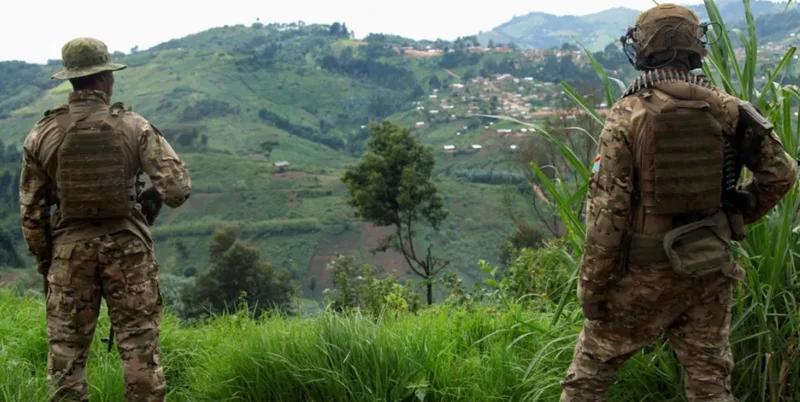
A military tribunal in the Democratic Republic of Congo (DRC) has sentenced 66 soldiers to death following a high-profile trial in the North Kivu province. The soldiers were convicted on multiple charges, including cowardice, mutiny, and refusal to obey orders, following a series of operational failures during active combat against insurgent groups. The proceedings, held in Walikale, initially involved 71 defendants, of whom one received a 10-year prison sentence and four others were acquitted of all charges.
The trial comes during a period of intense military pressure for the DRC government as it struggles to contain the M23 rebel group and other armed factions in the eastern part of the country. Military authorities stated that the harsh sentences are necessary to restore discipline within the ranks of the national army, which has faced significant setbacks on the front lines. The Congolese government has frequently attributed these failures to internal sabotage and external interference, specifically alleging that Rwanda provides support to the M23 insurgents—a claim that has fueled regional tensions.
This wave of capital sentences marks a significant shift in the DRC’s judicial landscape, occurring shortly after the government lifted a 20-year moratorium on the death penalty specifically for soldiers and members of armed groups. While the authorities view this as a vital deterrent against treason and desertion, human rights organizations have raised concerns about the fairness of the judicial process. Critics argue that the military court's actions may violate due process and fail to address the systemic issues, such as poor equipment and logistics, that contribute to operational failures in the conflict-ridden region.
As the situation continues to draw international attention, regional diplomatic bodies are urging the DRC to balance its disciplinary measures with comprehensive military reforms. Observers maintain that while discipline is essential for national security, long-term stability in North Kivu will require addressing both the internal weaknesses of the armed forces and the external geopolitical factors driving the insurgency.