••
DR Congo launches first copper train to Angola via Lobito Corridor
•2 min read•1 source
The first train carrying copper has departed from Kolwezi in the Democratic Republic of Congo (DRC) bound for the Lobito port in Angola, marking a milestone for the Lobito Corridor project. This massive transcontinental rail initiative is designed to streamline the export of critical minerals from Africa’s mining heartland to international markets. By providing a direct rail link to the Atlantic coast, the corridor aims to drastically reduce transport times and costs for minerals such as copper and cobalt, which are essential for global green energy technologies.
The project is supported by more than $2.7 billion in investments and is widely viewed as a strategic move to challenge China's long-standing dominance in the African mining sector. Proponents argue that the upgraded rail infrastructure will serve as a key economic tool, providing opportunities for the local economy and improving transport logistics across the region. The departure of this first shipment represents a physical proof of concept for the multibillion-dollar corridor.
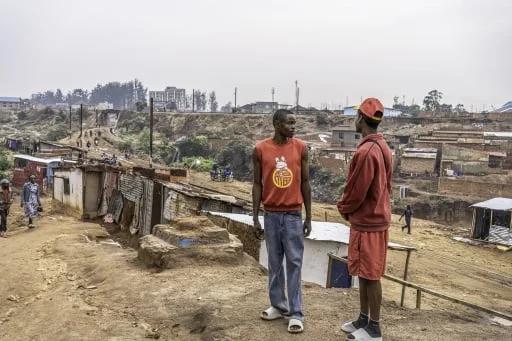
However, the project faces significant challenges on the ground in the DRC, including developmental delays and a notable gap in communication with local populations. Many residents in communities along the rail line report being left in the dark about the project’s scope, expressing fears over potential displacement as the government moves forward with expansion plans. Skepticism remains regarding whether the economic benefits promised by the corridor will actually reach the communities directly impacted by its construction.
As the first shipment makes its way toward the Angolan coast, the long-term success of the Lobito Corridor will depend on more than just technical efficiency. Regional stakeholders and international partners must navigate complex geopolitical tensions while addressing the social and developmental concerns of the local Congolese people to ensure the project delivers on its promise of regional transformation.
Live rates
Dollar to cedi rate →