••
Tragic Death Reported as Heavy Flooding Submerges Cameroon's Economic Capital of Douala
•2 min read•1 source
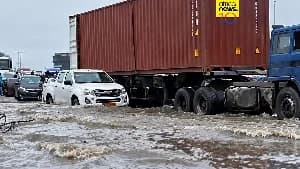
Douala, the vibrant economic heartbeat of Cameroon, has been plunged into a state of mourning and chaos following torrential rainfall that left large swathes of the city submerged. The severe weather event, which intensified on Friday morning, has resulted in at least one confirmed fatality under harrowing circumstances. A pregnant woman tragically lost her life due to electrocution, a direct and devastating consequence of the floodwaters infiltrating residential areas and coming into contact with local electrical infrastructure. This tragedy has cast a somber shadow over the city as residents grapple with the immediate impact of the rising waters.The details surrounding the tragedy emerged early Friday when local residents in one of the affected neighborhoods discovered the woman's body. Neighbors, shocked by the discovery, immediately alerted emergency services to the scene. Firefighters were subsequently deployed to retrieve the body from the water-logged environment. This incident underscores the extreme dangers posed by urban flooding in densely populated areas, where exposed wiring and submerged power lines can become lethal traps for unsuspecting residents attempting to navigate their homes or streets during a storm.Beyond the human loss, the heavy downpour has brought Douala to a virtual standstill, paralyzing the country's primary economic hub. The disruption of transport networks and the flooding of key commercial districts have significant implications for regional trade and the daily livelihoods of thousands of workers. Images from across the city show major thoroughfares transformed into rivers, with vehicles partially submerged and many businesses forced to suspend operations. The recurring nature of such flooding in Douala continues to raise urgent questions regarding the city's urban planning and the adequacy of its existing drainage systems.As the community begins the difficult process of assessing the damage, the focus for local authorities remains on emergency response and the prevention of further casualties. For the residents of Douala, the immediate priority is mourning the victims and clearing debris from their homes. However, this latest disaster serves as a stark reminder of the critical need for improved infrastructure and more robust disaster preparedness strategies to protect the millions of people living in Cameroon's most populous and economically vital city against the increasing frequency of extreme weather events.
