••
Doris Adoboe reports 80% of women and youth face border trade delays
•2 min read•1 source
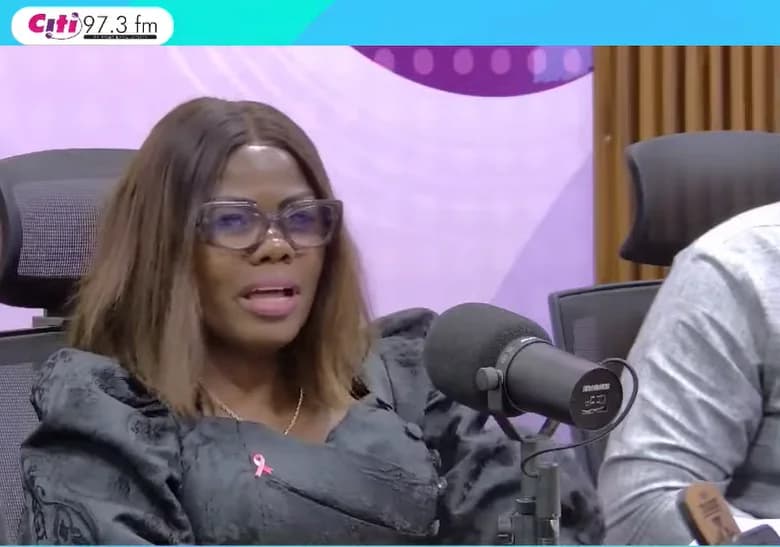
Doris Adoboe, the Co-Founder and Director of Programmes at Ghana Women in Trade (GWITA), has reported that 80% of women and youth in cross-border trade experience harassment and delays. Speaking on the Citi Breakfast Show, Adoboe identified digital exclusion as a primary cause, explaining that the absence of integrated digital systems at border posts creates opportunities for exploitation. This situation significantly hampers the ability of small-scale traders to participate effectively in the African Continental Free Trade Area (AfCFTA).
The lack of digitization is compounded by the informal nature of many businesses run by women and young people. Adoboe noted that many of these traders operate unregistered businesses, which complicates border transactions and documentation. This lack of formal registration, paired with a lack of digital access, leaves traders vulnerable to inconsistent enforcement of trade rules and administrative bottlenecks during the movement of goods.
A significant concern raised by GWITA involves the conduct of Customs officials. Adoboe alleged that some officials exploit traders by demanding extra payments, even when proper documentation is provided. Because border processes are not fully automated or integrated, traders often face manual inspections and subjective decisions by officials, which lead to significant delays and increased costs of doing business across the sub-region.
GWITA's findings highlight the need for urgent policy interventions to support vulnerable groups in the trading sector. Adoboe and her organization are advocating for the implementation of integrated digital systems across all border points to reduce human contact and increase transparency. They also emphasize the importance of business registration and formalization programs to ensure that women and youth can fully leverage the opportunities presented by the AfCFTA.