••
DirectAid Ghana and Local Organizations Intensify Humanitarian Relief as Disaster Management Efforts Continue Nationwide
•2 min read•3 sources
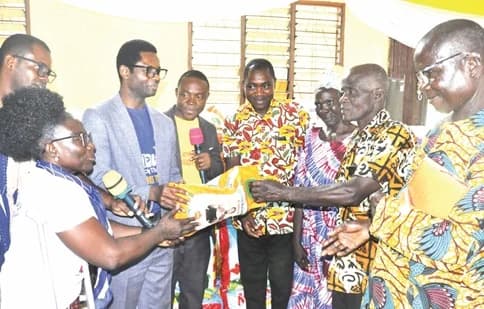
Humanitarian efforts across Ghana have intensified as DirectAid Ghana concludes a significant relief distribution for flood victims, while religious organizations and agricultural officials address social inclusion and disaster monitoring. DirectAid Ghana successfully delivered food and household essentials worth approximately GH₵2 million to 1,500 families impacted by the devastating June 2026 floods. The initiative, which targeted affected communities in Greater Accra and Kasoa, was made possible through the support of donors from Kuwait and coordination with local government officials to ensure aid reached those most in need.
During the distribution, Hajia Rakia Abdulai, Deputy CEO of the Zongo Development Fund, emphasized the importance of preventative measures to mitigate future disasters. She urged residents to avoid constructing buildings on waterways and to adhere to proper waste disposal practices, noting that while relief is critical, structural changes are necessary to prevent the recurrence of such floods. This call for vigilance coincides with reports from the Binduri District, where Agriculture Director Razak Abugri indicates that the risk of flooding from the ongoing Bagre Dam spillage in Burkina Faso remains low this year. Despite the commencement of the spillage, minimal rainfall and reduced water levels have spared local farmlands from the severe impacts seen in previous years.
Complementing these disaster relief efforts, the Ministry to Persons with Disabilities (MPWDs) of the Church of Pentecost has reinforced the importance of social welfare for the vulnerable. In Agorve, the church donated GH₵30,000 worth of essentials to approximately 150 persons with disabilities (PWDs). Professor Augustina Naami and Pastor Prosper Kpeli highlighted the church's commitment to inclusivity, asserting that PWDs deserve both spiritual salvation and active participation in society. These diverse humanitarian actions collectively highlight a multi-faceted approach to supporting the Ghanaian population, combining international aid, local religious outreach, and state-monitored disaster prevention to bolster national resilience.