••
Industry stakeholders urge shift from Detty December overcrowding
•2 min read•2 sources
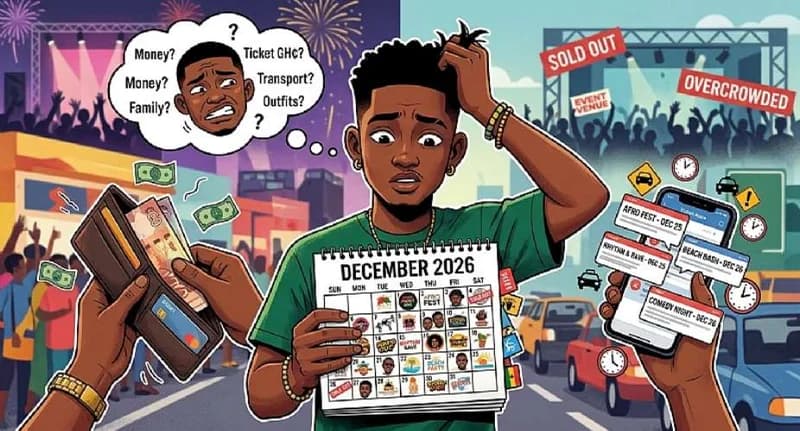
Industry analysts and event organizers are calling for a fundamental restructuring of Ghana’s annual entertainment calendar to address the growing issue of event overcrowding during the festive period. While the "Detty December" season has successfully positioned Ghana as a premier destination for music and culture, the sheer volume of overlapping concerts and festivals is increasingly viewed as a double-edged sword. Stakeholders argue that the current model creates unsustainable competition for limited audience attention and financial resources, potentially harming the long-term health of the creative economy.
The concentration of major shows in a single month forces fans to make difficult choices, often leading to divided audiences and disappointing attendance figures for some performers. Beyond the logistical strain, the financial burden on patrons is significant. With multiple high-profile events occurring simultaneously, the cost of tickets and related expenses can become prohibitive, preventing fans from engaging with the full breadth of the local arts scene. This obsession with December often leaves the rest of the year relatively dormant, creating a boom-and-bust cycle for the industry.
To remedy this, industry experts are advocating for a more balanced distribution of events across the twelve months. Spreading major concerts throughout the year would not only reduce the financial pressure on fans but also provide more consistent revenue streams for artistes, technical crews, and venue owners. Such a strategy requires a high level of collaboration among promoters, media houses, and performers to ensure that schedules do not clash and that the entertainment landscape remains vibrant outside the traditional peak season.
Ultimately, the shift toward a more structured annual calendar is viewed as essential for the sustainability of Ghana's entertainment industry. By moving away from a December-centric model, stakeholders believe the industry can improve the overall concert experience for fans while fostering a more resilient cultural economy. This proposed transition aims to ensure that live music remains accessible and profitable year-round, rather than being confined to a few hectic weeks of festivities.
