••
Africa Tourism Leadership Forum 2026: Minister de Lille and Regional Leaders Push for Integrated Connectivity in Polokwane
•2 min read•1 source
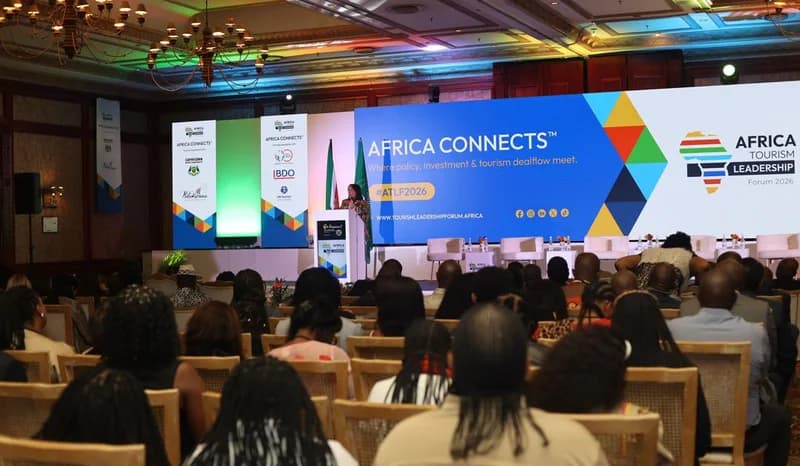
The 2026 Africa Tourism Leadership Forum (ATLF) has officially commenced at the Meropa Hotel in Polokwane, Limpopo, marking a pivotal moment for the continent's travel and hospitality sector. Bringing together delegates and industry leaders from approximately 32 countries, the forum serves as a high-level platform for discussing investment, cultural heritage, and regional cooperation. The event opened with a vibrant cultural showcase, featuring performances by the Badira Mmogo Cultural Group and exhibitions that highlighted Africa's diverse tourism potential. A primary focus of the forum is the urgent need for improved connectivity and travel accessibility across the continent. South African Tourism Minister Patricia de Lille addressed the gathering, emphasizing that regional integration is essential for a thriving tourism economy. Minister de Lille called for a balanced approach to migration challenges, promoting lawful travel while simultaneously working to reduce the bureaucratic barriers that currently hinder movement between African nations. By fostering better connectivity, leaders argue that the continent can better leverage its collective assets to attract global investment and increase domestic travel. Local leadership also underscored the strategic importance of the host province in this broader economic vision. Dr. Phophi Ramathuba, the Premier of Limpopo, articulated a vision for the province to serve as a primary gateway for tourism and investment into the Southern African region. This sentiment was echoed by UNESCO's Khaled El Nany, who discussed the necessity of diversifying tourism offerings by tapping into cultural industries. By integrating local traditions and creative sectors into the tourism value chain, stakeholders aim to create a more sustainable and resilient economic model that provides direct benefits to local communities. As the forum continues, representatives from the African Continental Free Trade Area (AfCFTA) and other key organizations have stressed that the success of the ATLF will be measured by its actionable outcomes. There is a collective call for the forum to move beyond dialogue and toward the implementation of strategic partnerships that catalyze sustainable growth. The 2026 forum is positioned not just as a networking event, but as a critical catalyst for the long-term policy shifts required to define the future of African tourism in an increasingly competitive global market.

