••
Danish parliamentary delegation reviews water projects in Tema
•2 min read•1 source
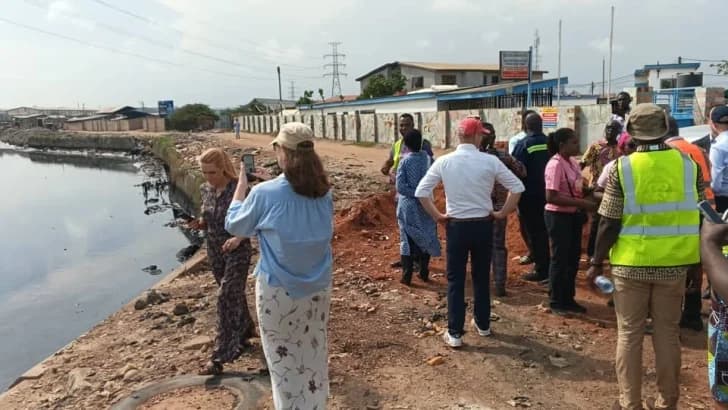
A delegation from the Danish Parliament’s Foreign Policy Committee has visited Tema to evaluate ongoing bilateral cooperation regarding water management and climate adaptation. Led by Karsten Hønge, the committee's visit underscores a long-term partnership between Denmark and Ghana aimed at improving water efficiency and tackling the environmental challenges facing the coastal industrial hub. The delegation’s assessment is part of a broader diplomatic effort to ensure that technical cooperation aligns with local needs and international sustainability standards.
The collaboration, which officially commenced in 2019 and is slated to continue until 2030, prioritizes the development of low-cost infrastructure and sustainable wastewater management. A key component of the discussions in Tema focused on identifying nature-based solutions to mitigate flooding and protect the city's aquatic life. By focusing on nature-based infrastructure, the partnership seeks to provide durable alternatives to traditional engineering, specifically tailored to the unique environmental pressures found in Ghana’s urban centers.
A significant portion of the visit was dedicated to reviewing the challenges facing the Chemu Lagoon, which has been severely impacted by industrial wastewater discharge and general pollution. The Danish representatives engaged with stakeholders to discuss the cumulative effects of industrial activities, including air pollution and the degradation of local ecosystems. This review is intended to strengthen the framework for technical cooperation, helping Ghanaian industries and municipal authorities adopt more sustainable waste management practices.
This diplomatic mission reinforces the commitment of both nations to achieving sustainable development goals related to clean water and climate resilience. The visit’s findings are expected to inform the next phase of the partnership, focusing on scaling up nature-based solutions and enhancing the technical capacity of local authorities. As the partnership moves toward its 2030 conclusion, both parties aim to establish a self-sustaining model for environmental management that can be replicated in other industrial regions across the country.
