••
Aliko Dangote and President William Ruto Ground $16 Billion Petroleum Refinery in Kenya
•2 min read•2 sources
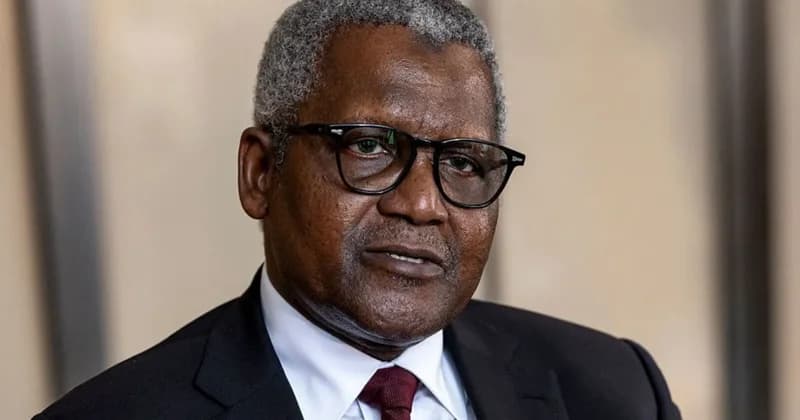
Nigerian billionaire Aliko Dangote and Kenyan President William Ruto have officially broken ground on the Dangote East Africa Petroleum Refinery in Lamu, marking the commencement of a $16 billion project destined to become the largest industrial undertaking in East Africa. The facility is designed to process 700,000 barrels of crude oil per day, a massive capacity intended to significantly reduce Africa's heavy reliance on foreign-refined petroleum products. During the ceremony, Dangote emphasized that the refinery represents a critical step toward continental energy independence and the necessity for African nations to add value to their natural resources before export.
The project is expected to be a major catalyst for regional economic growth, with projections suggesting the creation of up to 60,000 jobs. Beyond petroleum processing, the industrial complex will feature a 1,000-megawatt power plant to bolster the region's energy infrastructure and support broader industrialization goals. Although the refinery is slated for completion by 2030, it is part of a much larger $50 billion investment strategy by the Dangote Group across the African continent. This particular venture will initially rely on imported crude oil, with plans to incorporate regional production as East African oil fields develop and expand their capacity.
Despite the ambitious economic promises, the project faces significant domestic headwinds from local communities and environmental advocates. Residents in the Lamu region have staged protests demanding fairer land compensation, while environmental groups have filed lawsuits to halt construction until comprehensive impact assessments are conducted. Critics have also questioned the logic of situating a massive refinery in Kenya, which is not currently a major oil producer. However, Dangote and Kenyan officials have dismissed these concerns, arguing that the facility's ability to source crude from global markets makes it a viable and necessary hub for the entire East African region.