••
Nigerian Billionaire Aliko Dangote's $16 Billion Oil Refinery Project Sparks Environmental and Livelihood Concerns on Kenya's Lamu Island
•2 min read•1 source
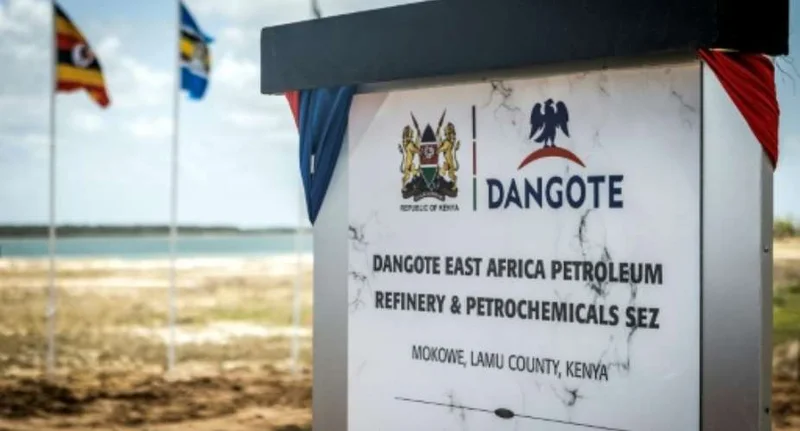
The idyllic Kenyan island of Lamu, a UNESCO World Heritage site renowned for its pristine coastal beauty and deep cultural heritage, has become the center of a major industrial controversy following the announcement of a massive $16 billion oil refinery project. Spearheaded by Nigerian billionaire Aliko Dangote, the venture is set to become Africa's second-largest oil refinery and represents the largest industrial investment in Kenya's history. While the government views the project as a cornerstone for national economic transformation, the local community remains deeply divided over the potential destruction of their fragile ecosystem and traditional way of life. Environmentalists and local residents have raised significant alarms regarding the refinery's impact on the region's biodiversity. The project threatens the delicate coastal mangroves and marine life that sustain both the local fishing industry and the high-end tourism sector, which are the primary pillars of Lamu's economy. Critics argue that the industrialization of the island could lead to irreversible pollution and the displacement of indigenous communities who have lived on the land for generations. Protests have already surfaced, with many citizens claiming that there was insufficient public consultation and that the rights of local landowners are being sidelined in favor of corporate interests. Despite the outcry, there is a segment of the population that views the refinery as a rare opportunity for modernization and employment. Supporters hope the $16 billion investment will bring much-needed infrastructure, including better roads and healthcare facilities, and provide jobs for a youth population struggling with limited economic prospects. However, skepticism remains high among skeptics who fear that the most lucrative positions will be filled by outsiders, leaving locals with only low-level labor and a degraded environment. The tension highlights the difficult balance African nations face between aggressive industrial growth and the preservation of natural and cultural assets. In response to the mounting pressure, Kenyan President William Ruto has sought to reassure the public by promising that the project will adhere to strict environmental standards. The administration has committed to conducting comprehensive environmental impact studies and ensuring that community rights are protected throughout the development process. As the project moves forward, the global community is watching closely to see if Lamu can successfully integrate such a massive industrial footprint without sacrificing the unique character that makes it a paradise on the East African coast.