••
Journalists in Dambai urged to uphold ethics in SRHR reporting
•2 min read•1 source
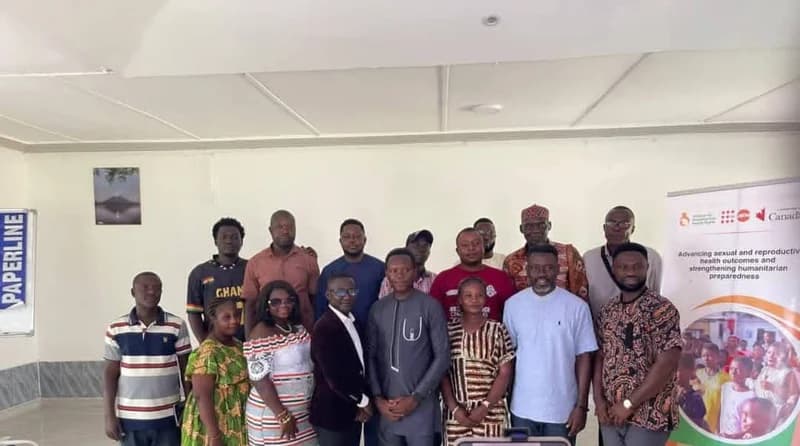
Journalists and media practitioners in the Oti Region have been called upon to adhere strictly to professional ethics when reporting on Sexual and Reproductive Health and Rights (SRHR). During a specialized workshop held in Dambai, facilitators stressed that the media plays a critical role in shaping public perception and that accuracy is paramount when dealing with sensitive health information. The initiative aims to equip reporters with the tools necessary to handle complex social and medical topics without compromising the dignity of those involved.
The training session emphasized the fundamental pillars of journalism: fairness, accuracy, and confidentiality. Facilitators highlighted the severe risks associated with irresponsible reporting, which can lead to the marginalization of vulnerable groups and perpetuate deep-seated stigma. By maintaining high ethical standards, journalists are better positioned to protect the rights of individuals in SRHR-related stories while providing the public with a reliable and compassionate narrative.
A significant portion of the workshop focused on the media's responsibility to proactively challenge misinformation. Participants were encouraged to verify medical and legal facts rigorously before publication to prevent the spread of harmful myths surrounding reproductive health. This proactive approach is seen as essential for building public trust and ensuring that citizens can make informed, evidence-based decisions about their personal health and well-being.
The workshop concluded with a collective call for participants to adopt responsible reporting practices that contribute to a more informed and equitable society. By prioritizing ethical considerations over sensationalism, media professionals in the Oti Region are expected to significantly improve the quality of SRHR coverage. These efforts are viewed as a vital step toward supporting broader public health goals and safeguarding human rights within local communities.
