••
Dafroza Gauthier, Renowned Rwandan Genocide 'Hunter' and Justice Advocate, Dies at 72
•2 min read•2 sources
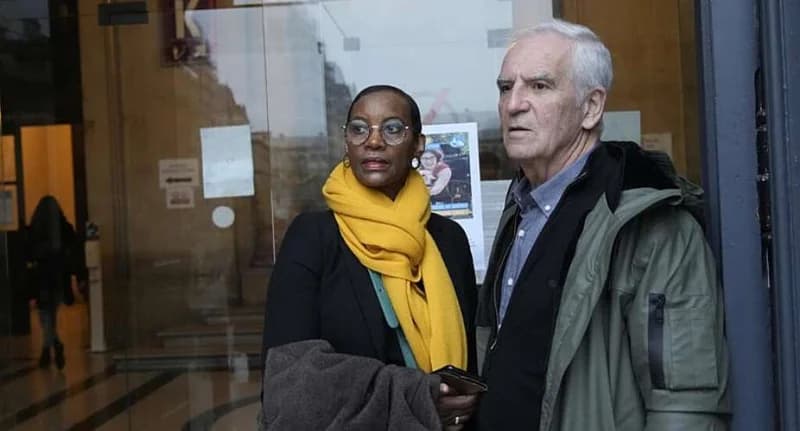
Dafroza Gauthier, a pioneering figure in the pursuit of justice for victims of the 1994 genocide against the Tutsi in Rwanda, has passed away in Reims, France, at the age of 72. Her husband, Alain Gauthier, announced her death on Sunday, marking the end of a lifelong crusade that spanned decades and continents. Known globally for her relentless commitment to tracking down suspects, Gauthier’s work was instrumental in ensuring that those responsible for one of the 20th century’s greatest atrocities did not escape accountability.
Alongside her husband, Gauthier founded the Collective of Civil Plaintiffs for Rwanda (CPCR), an organization dedicated to identifying and bringing genocide perpetrators to trial. Based in France, where she had resided since the 1980s, the CPCR leveraged the principle of universal jurisdiction to file civil suits against numerous suspects living on French soil. These efforts were remarkably successful, leading to several high-profile convictions that challenged the impunity often enjoyed by war criminals fleeing their home countries. Her dedication transformed the legal landscape for genocide survivors, turning grief into a powerful tool for judicial reform.
Born on August 4, 1954, in Butare, Rwanda, Gauthier’s life was shaped by the very ethnic tensions she would later spend her life fighting. Though she moved to France years before the mass killings began, she returned to Rwanda just before the 1994 genocide. The ensuing violence took a devastating personal toll, claiming the life of her mother and the majority of her extended family. This profound loss fueled her tireless advocacy and made her a central figure in the Rwandan community’s collective memory of the tragedy.
The passing of Dafroza Gauthier has elicited tributes from leaders across the Rwandan community and international human rights advocates, who have lauded her "long battle for justice." Survived by her husband and three children, her legacy lives on through the CPCR and the precedent her work set for international law. As France and Rwanda continue to grapple with the complexities of their shared history and the legal aftermath of 1994, Gauthier’s life stands as a testament to the power of civil activism in the face of systemic silence.