••
Dadetoklo and COBAANA Launch Vital Health Infrastructure to Tackle Maternal and Dialysis Care Gaps
•2 min read•2 sources
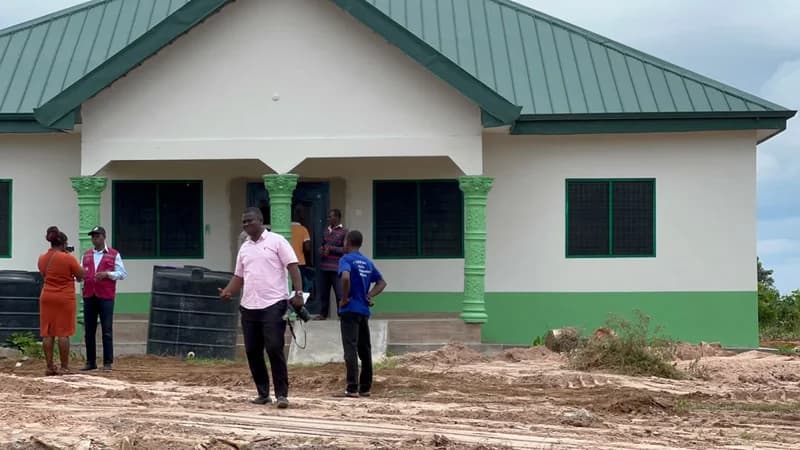
Ghana’s health landscape is seeing a significant boost through local and international collaborations aimed at decentralizing specialized care and emergency services. In the fishing village of Dadetoklo, a new Community-based Health Planning and Services (CHPS) compound has been established to end a history of tragic maternal outcomes. Simultaneously, the Council of Bono and Ahafo Associations of North America (COBAANA) has broken ground on a specialized medical center designed to bring much-needed dialysis treatment to the Bono, Bono East, and Ahafo regions, addressing a critical shortage of renal care facilities in the middle belt.
The Dadetoklo facility arrives as a critical lifeline for a community that has long battled severe infrastructure deficits. For years, pregnant women in the village faced the harrowing ordeal of traveling long distances over dilapidated roads to reach the nearest healthcare facility in Kojokrom. These conditions often led to dangerous "roadside deliveries" and preventable deaths during labor. While the new CHPS compound provides a local sanctuary for safe births and primary care, residents are still urging the government to rehabilitate the connecting road networks, which remain a significant barrier to emergency referrals and general accessibility.
In a parallel effort to enhance specialized services, the COBAANA Medical Centre project represents a major milestone for renal health. Announced during COBAANA’s 17th Annual Convention in Chicago, the project is spearheaded by the Ghanaian diaspora to eliminate the long, exhausting distances patients currently travel for life-saving treatment. The initiative received a substantial boost from Kodjo Botchway, CEO of Doormaster and project co-chair, who donated $10,000 toward the construction. Dr. Degraft Gyan K. Kwafor, Chairman of COBAANA, noted that the start of construction marks a turning point for kidney disease patients in the targeted regions who have historically lacked local access to dialysis.
These developments highlight a growing trend of community-driven health interventions supported by corporate philanthropy and the Ghanaian diaspora. By focusing on specific regional needs—ranging from maternal health in coastal villages to specialized renal care in the interior—these projects contribute to a more equitable national health system. As construction continues on the COBAANA site and services commence in Dadetoklo, the focus shifts toward long-term sustainability and the integration of these facilities into the broader national health strategy to ensure improved health outcomes for all residents.
