••
D-Black reveals only 16 out of 700 stations pay GHAMRO royalties
•2 min read•1 source
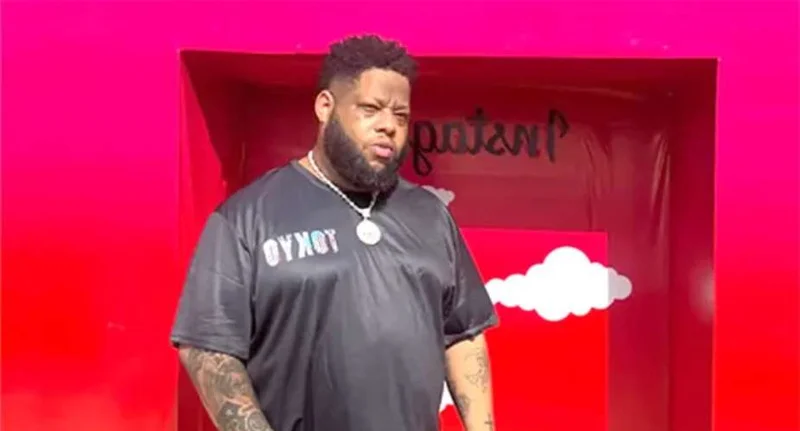
Ghanaian rapper and entrepreneur D-Black, born Desmond Blackmore, has expressed deep concern over the state of music royalty payments in Ghana following a meeting with the leadership of the Ghana Music Rights Organisation (GHAMRO). The artist revealed that a compliance list provided by the GHAMRO CEO shows that only 16 radio and television stations are currently paying royalties for the music they broadcast. This figure represents a tiny fraction of the more than 700 authorized broadcasting outlets operating across the country, highlighting a systemic failure in the collection of intellectual property fees.
During his engagement with GHAMRO, D-Black noted that the majority of those adhering to the law belong to a single major media house. Out of the 16 compliant stations identified, eight are subsidiaries of the Multimedia Group Limited. The revelation suggests that while a few large-scale media organizations are committed to legal standards, the overwhelming majority of the broadcasting sector is utilizing creative content without providing the required financial compensation to the artists who produce it.
GHAMRO has frequently been the subject of criticism from musicians regarding the low value of royalty distributions, but the organization maintains that its hands are tied by widespread non-compliance. Leadership at the collective management organization stressed that adherence to copyright laws is essential for the survival of the music industry. D-Black’s public disclosure of these statistics has reignited a national debate about the effectiveness of current enforcement mechanisms and the responsibility of the media to support the creative economy.
The massive disparity between the number of active broadcasters and those paying royalties represents a significant loss of income for Ghanaian creators. Industry stakeholders are increasingly calling for more rigorous intervention from regulators to ensure that the use of intellectual property is properly compensated. As the music industry continues to advocate for better structures, the focus remains on how to compel the hundreds of non-compliant stations to fulfill their legal obligations to the nation's artists.
