Anansi News
HomeBriefsAsk GhanaTopicsTools
•
•

Stay Informed

Get AI-curated news briefs from Ghana delivered to your inbox every morning. Free forever, no spam.

Explore

  • Home
  • Briefs
  • About

Categories

  • Politics
  • Business
  • Sports
  • Entertainment
  • Africa

Features

  • Analysis
  • Cedi Rates
  • Dollar to Cedi
  • Ghana Gold Price
  • BoG Policy Rate

Topics

  • Armed Forces Recruitment
  • WAEC Results & News
  • Nana Ama McBrown
  • NDC News
  • All Topics

Legal

  • Privacy Policy
  • Terms of Service
Anansi News© 2026. All rights reserved.
Made withfor Ghana
health

CSIR-WRI Scientists Sound Alarm Over Heavy Metal Contamination in 60% of Ghana's Water Bodies

13th August•2 min read•5 sources
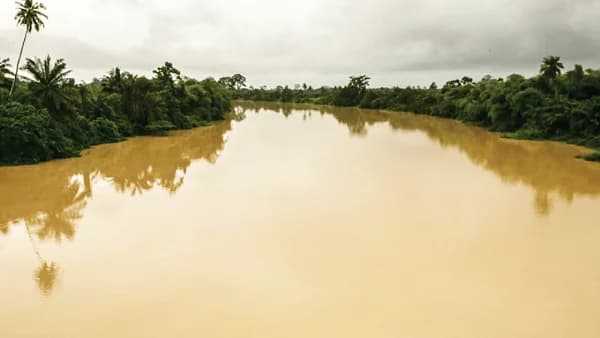
Galamsey destroys 60% of rivers - Scientists raise alarm over implications
  1. Home
  2. /Health
  3. /CSIR-WRI Scientists Sound Alarm Over Heavy Metal Contamination in 60% of Ghana's Water Bodies

Scientists at the Council for Scientific and Industrial Research-Water Research Institute (CSIR-WRI) have issued a stark warning regarding the deteriorating state of Ghana's water resources, revealing that over 60% of the nation’s water bodies are now polluted. Speaking at the institute’s 2026 Mid-Year Review in Accra, experts highlighted that the rampant spread of illegal mining, or galamsey, has introduced hazardous heavy metals into the water supply. This environmental crisis poses a direct threat to public health and food security, prompting urgent calls for an integrated 'Water-Environment-Food-Health Nexus' approach to build national resilience against these growing risks.

Dr. Franklin Obiri-Nyarko, a lead researcher at CSIR-WRI, emphasized that the contamination of these vital resources requires immediate, science-based restoration efforts. The pollution is not limited to small streams but has significantly impacted major systems like the Volta River. According to research presented by Mrs. Zita Abuntori, the presence of heavy metals in these waters threatens communities dependent on them for domestic use and agriculture. To combat this, Dr. Obiri-Nyarko introduced a five-pronged strategy aimed at tackling pollution at its source and enhancing water treatment protocols to protect the population from chronic health complications associated with toxic metal exposure.

In response to these challenges, the CSIR-WRI is promoting innovative technologies to safeguard food production and optimize water use. One such solution is an integrated aquaculture-agriculture system that repurposes nutrient-rich wastewater from fish farming to irrigate crops. Dr. Seth Agyakwah noted that successful trials have already produced high-quality yields of crops like cucumbers. This system serves a dual purpose: it mitigates the environmental impact of fish farm effluent and provides a safer alternative to using contaminated river water for irrigation, which experts warn can carry significant pathogens and chemical risks to consumers.

Despite these scientific advancements, experts stress that technology alone cannot solve the crisis without robust institutional coordination and financial support. Dr. Sylvester Afram Boadi and Dr. Prosper Bazaanah have called for better alignment between the ministries responsible for water, energy, and food planning. They argue that protecting Ghana’s water bodies requires the provision of genuine alternative livelihoods for those currently involved in illegal mining. As the CSIR-WRI marks its 30th anniversary, the institute maintains that dedicated funding for research and the commercialization of sustainable technologies are essential to securing the health and water security of all Ghanaians.

Our Take

From the Team

Coming Soon

Our team will add key insights, trends, and actionable takeaways to help you stay informed faster.

This story touches markets covered on Anansi Intelligence ↗.

More from health

Continue exploring similar stories

University of Ghana Food Scientist Issues Microwaving Safety Warnings as Research Identifies Key Factors Behind Mosquito Attraction
health|21st August

University of Ghana Food Scientist Issues Microwaving Safety Warnings as Research Identifies Key Factors Behind Mosquito Attraction

Recent health and science updates emphasize the importance of understanding daily environmental and biological factors to maintain personal well-being. From the kitchen to the outdoors, experts are shedding light on how common practices and physical traits impact health outcomes in Ghana. Dr. Joycelyn Quansah, a prominent food scientist at the University of Ghana, has provided critical guidance on food safety and preservation, while emerging scientific insights explain the persistent nuisance of mosquito bites, revealing why some individuals are more susceptible than others. These findings highlight the intersection of biological science and household safety in everyday life. Addressing food preparation, Dr. Quansah highlighted that while microwaving is a generally safe and efficient method for heating food, it requires careful execution to avoid significant health risks. She warned that microwave energy often heats food unevenly, leaving it hot on the surface while remaining cold internally. These "cold spots" are dangerous because they can allow harmful microorganisms to survive the heating process, potentially leading to foodborne illnesses. To mitigate this, she advised ensuring that food is heated thoroughly and stirred where possible. Furthermore, she cautioned against the use of aluminium foil for certain foods, noting that potential chemical transfers could occur, which may have health implications. Beyond modern appliance use, Dr. Quansah advocated for the continued use of traditional food preservation techniques as a vital means to reduce waste, particularly in settings where refrigeration may be limited. Methods such as drying, smoking, and fermentation remain highly effective strategies for keeping food safe and nutritious over longer periods. These traditional practices not only help in waste reduction but also preserve the cultural heritage of Ghanaian food science while addressing practical challenges in national food security and storage. Turning to outdoor health concerns, science is providing clearer answers as to why mosquitoes seem to target specific individuals while ignoring others. Research identifies three primary biological markers that attract these insects: body heat, body odor, and carbon dioxide emissions. Individuals with higher body temperatures or those who exhale more carbon dioxide—such as those who are physically active or have higher metabolic rates—are significantly more noticeable to mosquitoes. Additionally, specific chemical compositions in an individual's body odor can serve as a potent draw, making some people natural "mosquito magnets." Understanding these diverse health factors—from the proper way to reheat a meal to the biological reasons behind insect attraction—allows Ghanaians to take proactive steps in their daily lives. Whether by adopting more rigorous food handling practices or being mindful of the physical factors that attract disease-carrying insects, these scientific insights provide a foundation for improved public health. As experts like Dr. Quansah continue to share their knowledge, the integration of traditional wisdom with modern scientific evidence remains key to navigating everyday health challenges in Ghana.

Ghana Medical Trust Fund and Atlantic Lifesciences Explore Local Production of Cancer and Heart Medicines
health|21st August

Ghana Medical Trust Fund and Atlantic Lifesciences Explore Local Production of Cancer and Heart Medicines

The Ghana Medical Trust Fund (GMTF) has initiated strategic discussions with Atlantic Lifesciences Limited and the PharmaNova Group to establish local manufacturing for essential medicines targeting chronic conditions, such as cancer and heart disease. This initiative is designed to significantly reduce Ghana's dependence on expensive imported pharmaceuticals, which often place a heavy financial burden on patients and the national health system. During a recent visit to Atlantic Lifesciences’ facilities, GMTF Administrator Adjoa Obuobia Darko-Opoku emphasized that exploring such collaborations is vital for securing a sustainable and affordable supply of life-saving drugs for the Ghanaian populace. The potential partnership aligns with Ghana’s broader national goals of bolstering local pharmaceutical production and improving overall healthcare resilience. By focusing on critical medications for chronic illnesses, the initiative seeks to fill existing gaps in the healthcare system where cost and availability frequently hinder patient outcomes. Dhanankay Tripathi, CEO of Atlantic Lifesciences, highlighted the necessity of these targeted solutions, noting that local production can more effectively address specific domestic healthcare deficits while ensuring that medications are tailored to the needs of the population. The involvement of the PharmaNova Group further strengthens the technical and production capacity required to manufacture complex drug formulations locally. Ultimately, the GMTF aims to expand access to affordable, life-saving medications for patients managing long-term health challenges. As chronic diseases often require prolonged and costly treatment cycles, the shift toward domestic manufacturing represents a proactive step in making healthcare more accessible and protecting families from catastrophic health expenditures. Moving forward, the success of this collaboration could serve as a blueprint for expanding local production into other therapeutic areas, strengthening Ghana's position as a burgeoning hub for pharmaceutical excellence in the West African sub-region.

Global Mercy Ship to Provide Over 2,600 Free Surgeries During 10-Month Mission in Ghana
health|21st August

Global Mercy Ship to Provide Over 2,600 Free Surgeries During 10-Month Mission in Ghana

Ghana is set to receive a significant boost to its healthcare delivery system with the return of the "Global Mercy," a state-of-the-art hospital ship operated by the international charity Mercy Ships. During an anticipated 10-month stay, the vessel will provide specialized medical interventions at no cost to thousands of Ghanaians. This initiative, supported by the administration of President John Mahama, aims to address the surgical backlog and provide critical care to underserved populations across the country. Health Minister Kwabena Mintah Akandoh has detailed the ambitious scope of the mission, stating that the Global Mercy expects to perform between 1,950 and 2,600 free surgeries. In addition to these complex procedures, the medical team will provide between 1,610 and 2,145 specialized dental treatments. These services are designed to alleviate the burden on local hospitals and offer life-changing operations to patients who might otherwise lack the financial means or access to such specialized care. Beyond immediate clinical outcomes, the mission emphasizes long-term capacity building for Ghana's medical workforce. Mercy Ships CEO Michelle White underscored that the program includes comprehensive education and training modules for local health professionals. By collaborating closely with the Ministry of Health, the organization seeks to enhance the technical skills of Ghanaian doctors, nurses, and technicians, ensuring that the impact of the ship's visit extends well beyond its departure. This collaboration represents a strategic partnership aimed at strengthening Ghana’s overall healthcare infrastructure. As the Global Mercy prepares for its arrival, the government and Mercy Ships are finalizing logistical arrangements to ensure the most vulnerable citizens are identified and prioritized for treatment. This mission marks a continued commitment to improving public health outcomes and fostering international cooperation in the medical sector.

55-Year-Old Linda Ampofo Welcomes Triplets After 25-Year Journey in Ashanti Region
health|21st August

55-Year-Old Linda Ampofo Welcomes Triplets After 25-Year Journey in Ashanti Region

In a remarkable event that has captured the hearts of many in the Ashanti Region, 55-year-old Linda Ampofo has given birth to triplets following twenty-five years of marriage without children. This rare occurrence, which medical professionals describe as an exceptional case due to the mother’s age, culminated in a successful delivery on January 13, 2026. Mrs. Ampofo and her husband, who reside in Brofoyedru, had faced decades of emotional and physical challenges, including multiple miscarriages and the growing societal pressure often associated with infertility. Throughout this period, the couple remained steadfast in their faith, supported heavily by their local religious community. As a devoted member of The Church of Pentecost, Mrs. Ampofo’s story has been characterized as a miracle by both her family and church leadership. The local pastor noted that her perseverance served as a beacon of hope for other couples within the congregation who are facing similar fertility struggles. The church provided significant spiritual and emotional guidance during the most difficult years of their journey, encouraging the couple to maintain hope despite the biological odds. Following the successful birth and period of recovery, a naming ceremony was held on July 6, 2026, to officially welcome the infants into the community. This celebration not only honored the three new lives but also served as a powerful testimony to the congregation, emphasizing the strength of faith and the importance of communal support during times of personal hardship. Medical experts have pointed out that while such births are rare at the age of 55, they highlight the intersection of biological resilience and the importance of prenatal monitoring. The story of Linda Ampofo has since transcended her local community, becoming a point of inspiration across the country. It underscores a broader social narrative in Ghana regarding the importance of empathy for couples dealing with childlessness and serves as a reminder of the possibilities that can emerge even after decades of waiting.

All
africa
business
education
entertainment
health
news
politics
sports
technology