••
COP31 researchers predict 2026 will be the world's hottest year
•2 min read•1 source
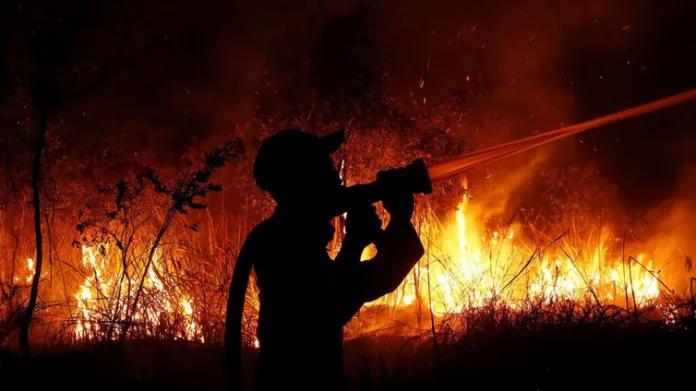
Researchers at the COP31 UN climate summit in Antalya have reported that 2026 is likely to be the world's hottest year on record. This alarming prediction was delivered during the opening stages of the summit, where scientists warned that the combination of human-induced global warming and an intensifying El Ni!o weather event is creating a perfect storm for unprecedented global temperatures. The forecast indicates a high probability that 2026 will exceed all previous heat records, surpassing the temperature benchmarks set in recent years.
The report highlights the visible consequences of the current warming trend, pointing to recent extreme weather events as evidence of the shifting climate. These include destructive wildfires that have swept across Europe and the collapse of glaciers in Nepal, events that have underscored the vulnerability of both the northern and southern hemispheres. The researchers emphasized that the rapid rise in temperatures is no longer a distant threat but a current reality that requires immediate and sustained intervention from the international community.
In response to these findings, world leaders and delegates at the Antalya summit are being urged to strike a balance between long-term emission reduction targets and the urgent need for climate adaptation. UK Prime Minister Andy Burnham is among those calling for more decisive action, as the summit grapples with the complexities of global electrification and the fulfillment of funding commitments. The scientists’ data has added significant weight to the demands for wealthier nations to provide the financial support necessary for developing countries to implement adaptation strategies.
As the summit continues, the geopolitical climate remains tense, with many nations struggling to agree on the scale of financial aid required to combat the crisis. However, the scientific consensus regarding 2026 serves as a stark warning of the consequences of further delay. The summit’s success may ultimately be measured by its ability to translate these dire warnings into concrete policy changes and robust funding mechanisms to mitigate the impacts of what is expected to be a historically hot year.