••
Global health leaders declare climate change a health pandemic at COP31
•2 min read•1 source
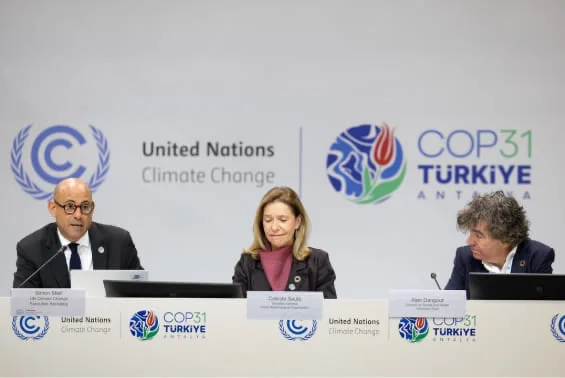
On November 9, 2026, climate and health experts at the COP31 summit in Antalya, Turkey, issued a stark warning that the climate emergency has evolved into a full-scale global health pandemic. This declaration comes as a direct result of escalating greenhouse gas emissions and an intense El Niño cycle, which have collectively pushed global temperatures to unprecedented highs. Officials at the press conference emphasized that the shifts in the Earth's climate are no longer just environmental concerns but are now the primary drivers of a worsening international health crisis that threatens systemic stability.
Data from the World Meteorological Organisation (WMO) 2026 update reinforces this declaration, confirming that global temperatures have hit record-breaking levels this year. These extreme conditions are expected to persist, leading to severe systemic health consequences across the globe. Experts warned that the convergence of rising heat and frequent extreme weather events could result in more than 50,000 excess deaths globally in 2026 alone. The declaration of a pandemic status underscores the belief among health officials that the scale of the threat now mirrors that of major infectious disease outbreaks in terms of its reach and impact on human life.
In response to these findings, there is an urgent call for climate negotiations to place public health at the center of all policy decisions. COP31 delegates are currently working to mobilize health-focused initiatives and dedicated funding to mitigate the impact of the crisis. Leaders are advocating for a fundamental shift in how climate change is addressed, moving beyond emissions targets to include robust public health infrastructure. This approach aims to protect populations against the increasing frequency of climate-driven health emergencies while ensuring that future climate strategies are inherently linked to global health security.