••
CONIWAS demands activation of National Sanitation Authority
•2 min read•1 source
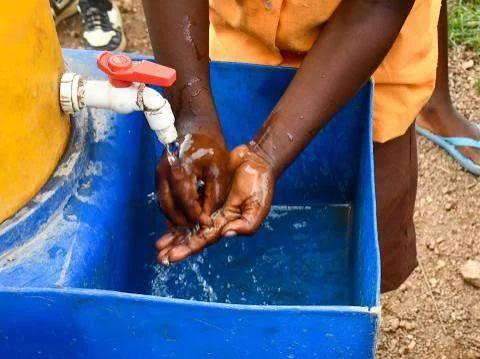
Dr. Beata Awinpoka Akanyani, Chairperson of the Coalition of NGOs in Water and Sanitation (CONIWAS), has called for the immediate activation of the National Sanitation Authority to address systemic gaps in Ghana’s hygiene infrastructure. Speaking at the 37th MOLE Conference in Ada Foah, Dr. Akanyani emphasized that delivering safe and equitable water, sanitation, and hygiene (WASH) services is both a national responsibility and a global imperative. She noted that without decisive institutional action, the country risks falling short of the United Nations Sustainable Development Goal 6, which mandates universal access to clean water and sanitation by 2030.
The Chairperson highlighted a stark disparity in service delivery, noting that one in four residents in rural areas still lacks access to basic water services. She pointed out that sanitation deficits remain heavily concentrated in these rural communities, leaving vulnerable populations at risk of disease and economic hardship. Dr. Akanyani urged stakeholders to move beyond rhetoric and implement practical solutions that prioritize these underserved regions, ensuring that infrastructure development reaches those who need it most.
Central to her address was a demand for greater transparency and accountability in the management of sector resources. Dr. Akanyani called upon Parliament and local government assemblies to ensure that WASH funds are utilized effectively and that the proposed National Sanitation Authority is empowered to oversee these processes. She also advocated for the introduction of direct climate-resilient financing to protect water infrastructure from the increasing threats posed by environmental degradation and climate change.
In her concluding remarks, Dr. Akanyani urged communities to take a proactive role in protecting freshwater resources from environmental destruction. She stressed that while government policy and institutional frameworks are essential, the success of WASH initiatives depends on a collective effort to safeguard the environment. By activating the National Sanitation Authority and focusing on equitable financing, Ghana can create a sustainable framework for hygiene and water security that serves all citizens regardless of their geographical location.