••
Guinea government sets December deadline for Conakry mass clean-up
•2 min read•1 source
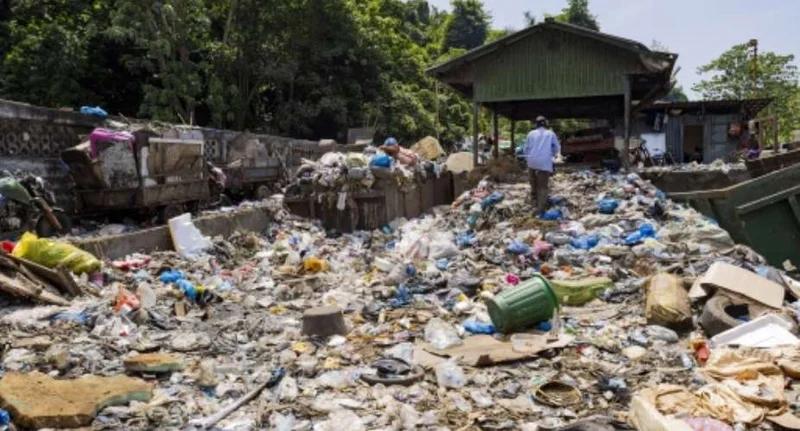
Guinea’s government has issued a directive for residents of the capital, Conakry, to conduct a comprehensive clean-up of the city by the end of December. Prime Minister Amadou Oury Bah announced the mandate during the opening of a national sanitation forum, framing the initiative as a critical intervention to address the city's deteriorating waste management situation. The push for a cleaner capital follows a series of systemic failures that have left streets clogged with refuse and strained the city's infrastructure.
The urgency of the sanitation drive is underscored by a tragic landfill collapse at the Dar-es-Salam site earlier this year, which resulted in the deaths of 36 people. Following that fatal landslide, authorities were forced to close the facility. However, the closure has inadvertently exacerbated the crisis; without a primary disposal site, illegal dumping has surged across Conakry, creating significant public health hazards and overwhelming local collection efforts.
Sanitation Minister Aboubacar Camara highlighted the scale of the challenge, noting that Conakry generates approximately 3,000 tonnes of waste every day. He stated that a significant portion of this refuse ends up on the streets due to a combination of civic negligence and a weak collection system. The government’s new strategy aims to bridge this gap through a mix of community participation and state-led improvements, specifically targeting the removal of accumulated waste from public thoroughfares.
The first phase of this national clean-up plan is estimated to cost approximately $610,000. This funding is intended to support the immediate removal of waste and lay the groundwork for a more sustainable management framework. As the December deadline approaches, the government is calling on residents to take active responsibility for their surroundings while officials work to reform collection systems to prevent a recurrence of the current waste crisis.